











Custom Crafts Blog
Startseite " Custom Crafts Blog " Magnetische Anstecker: Der ultimative Leitfaden für stilvolle, vielseitige und gewinnbringende Accessoires im Jahr 2026
Magnetische Anstecker: Der ultimative Leitfaden für stilvolle, vielseitige und gewinnbringende Accessoires im Jahr 2026
Inhaltsübersicht
In a world where personalization, brand identity, and cost-effective marketing reign supreme, magnet badges have emerged as a hidden gem—blending functionality, style, and practicality in a way few accessories can match. Whether you’re a small business owner looking to boost brand visibility, a fashion enthusiast craving unique ways to elevate your outfit, an event organizer aiming to create memorable swag, or someone searching for thoughtful, customizable gifts, magnet badges offer endless possibilities. Unlike traditional pin badges that pierce fabric (and risk damage to delicate clothing), magnet badges attach securely with strong magnets, making them versatile enough for jackets, bags, hats, blouses, and even home decor—without leaving a trace.
This comprehensive guide is designed to be your one-stop resource for everything magnet Abzeichen: from their history and key benefits to the different types available, how to choose the perfect one for your needs, DIY tips, marketing strategies for businesses, and answers to the most common questions. By the end of this article, you’ll not only understand why magnet badges are a must-have accessory in 2026 but also how to leverage them to stand out, connect with your audience, and even grow your bottom line. Let’s dive in.
1. What Are Magnet Badges, and Why Are They Gaining Popularity?
1.1 Defining Magnet Badges: More Than Just a “Pin Without a Piercing”
At its core, a magnet badge is a decorative or informational accessory that uses a magnet to attach to clothing, bags, or other surfaces—eliminating the need for sharp pins, clips, or adhesives that can damage fabric or skin. They typically consist of two main parts: the front face (which features the design, logo, text, or artwork) and a magnetic backing (which secures the badge in place by adhering to a second magnet hidden behind the fabric, or a single strong magnet that clings to metal surfaces).
Unlike Stift badges, which require piercing the fabric to stay in place, magnet badges create a secure hold without any holes, snags, or tears. This makes them ideal for delicate materials like silk, lace, cashmere, or tailored suits—items where a traditional pin would be too risky. They’re also safer for children, pets, and anyone who prefers not to deal with sharp points.
But magnet badges aren’t just a “better pin”—they’re a versatile accessory with endless design potential. They can be made in nearly any shape, size, color, or style, from simple text-based designs to intricate, full-color graphics, 3D embossed logos, or even glow-in-the-dark elements. This flexibility has made them a favorite among individuals, businesses, and organizations alike.
1.2 The Rise of Magnet Badges: Key Trends Driving Their Popularity
In recent years, magnet badges have seen a surge in popularity—thanks to several cultural, economic, and practical trends. Here’s why they’re becoming a staple in wardrobes, marketing strategies, and event swag bags:
- Personalization Boom: Today’s consumers crave products that reflect their unique personality, beliefs, and interests. Magnet badges offer an affordable, customizable way to express oneself—whether it’s a favorite quote, a hobby (like hiking, reading, or gaming), a political stance, or a love for a sports team. Unlike mass-produced accessories, magnet badges can be tailored to individual tastes, making them more meaningful and shareable.
- Brand Visibility on a Budget: For small businesses, startups, and nonprofits, marketing budgets are often tight. Magnet badges are a cost-effective way to increase brand exposure: they’re inexpensive to produce in bulk, lightweight (reducing shipping costs), and long-lasting—ensuring your logo or message is seen repeatedly. When customers wear your magnet badge, they become walking brand ambassadors, spreading awareness wherever they go.
- Sustainability and Reusability: As consumers become more eco-conscious, they’re moving away from single-use items (like plastic stickers or disposable swag) and toward reusable accessories. Magnet badges are durable, can be worn hundreds of times, and are often made from recyclable materials (like metal or eco-friendly plastics). This aligns with the growing demand for sustainable products and helps brands position themselves as environmentally responsible.
- Event Culture and Community Building: From concerts and festivals to corporate conferences and charity events, magnet badges are a great way to foster a sense of community. Custom badges for events can serve as souvenirs, helping attendees remember the experience and stay connected to the brand or organization. They also encourage social interaction—people often strike up conversations about the badges they’re wearing, creating a sense of belonging.
- Convenience and Versatility: Unlike pins, which are permanent once attached (and can damage clothing), magnet badges are easy to remove, reposition, and reuse. You can switch out your badge depending on your outfit, mood, or occasion—wear a fun, playful badge to a casual gathering, a professional logo badge to a meeting, and a sentimental badge to a family event. They also work on a variety of surfaces: clothing, bags, refrigerators, whiteboards, and even metal furniture.
These trends show no signs of slowing down in 2026—making magnet badges a smart investment for anyone looking to stay on-trend, connect with others, or grow their brand.
2. A Brief History of Magnet Badges: From Functional to Fashionable
While magnet badges may seem like a modern accessory, their roots trace back to the early 20th century—though they’ve evolved significantly over time. Let’s take a quick trip through history to see how magnet badges went from functional tools to fashionable statements.
The earliest forms of magnetic badges were used primarily for practical purposes, not style. In the 1920s and 1930s, they were used by military personnel, police officers, and government workers as a way to display identification without piercing their uniforms. These early badges were simple: a metal plate with text or a logo, attached to a basic magnetic backing. They were durable, easy to remove (for cleaning or replacement), and didn’t damage the heavy, sturdy fabric of uniforms.
In the mid-20th century, as magnets became more affordable and accessible, magnet badges began to expand beyond official use. During World War II, they were used as morale boosters—soldiers and civilians alike wore magnet badges with slogans like “Support Our Troops” or images of national symbols. After the war, businesses started using them as promotional items, giving them away at trade shows or as part of customer loyalty programs. These badges were often small, simple, and monochromatic, but they laid the groundwork for the customizable accessories we know today.
The 1970s and 1980s saw a shift toward more stylish magnet badges, as fashion became more expressive and personalized. Punk and rock cultures adopted magnet badges (along with pins and patches) as a way to rebel against mainstream fashion—wearing them on leather jackets, band tees, and backpacks to show their allegiance to a band, ideology, or subculture. During this era, manufacturers began offering more design options, including full-color printing and unique shapes, making magnet badges a true fashion statement.
In the 1990s and 2000s, the rise of digital printing and manufacturing technology revolutionized magnet badges. Suddenly, it was possible to create high-quality, full-color badges at a lower cost—making them accessible to small businesses, individuals, and organizations of all sizes. The internet also played a role: online retailers and custom printing services made it easy for anyone to design and order their own magnet badges, no matter where they lived.
Today, magnet badges are more versatile and customizable than ever before. Advances in materials (like eco-friendly plastics, recycled metals, and magnetic vinyl) have made them more sustainable, while new printing techniques (like UV printing, embossing, and debossing) have expanded the design possibilities. Whether you’re looking for a simple, minimalist badge or an intricate, 3D design, there’s a magnet badge for every taste and need.

3. Types of Magnet Badges: Which One Is Right for You?
Magnet badges come in a wide variety of types, each with its own unique features, materials, and use cases. Choosing the right type depends on your needs—whether you’re looking for a durable badge for everyday wear, a high-end badge for corporate events, or a budget-friendly option for bulk giveaways. Below, we’ll break down the most common types of magnet badges, their key features, and who they’re best for.
3.1 Metal Magnet Badges: Durable and Professional
Metal magnet badges are one of the most popular types—known for their durability, professional appearance, and timeless style. They’re typically made from materials like stainless steel, brass, zinc alloy, or aluminum, and can be finished with a variety of coatings to enhance their look and protect them from wear and tear.
Wesentliche Merkmale:
- Durable: Metal badges are resistant to scratches, fading, and damage—making them ideal for everyday wear or long-term use.
- Professional Appearance: They have a sleek, polished look that’s perfect for corporate settings, employee identification, or high-end events.
- Customizable Finishes: Common finishes include gold, silver, bronze, nickel, matte black, and antique styles (like distressed brass). These finishes can elevate the design and match any brand or outfit.
- Design Options: Metal badges can be embossed (raised design), debossed (recessed design), engraved, or printed with full-color graphics (using techniques like screen printing or UV printing).
Best For: Corporate employee badges, brand ambassadors, high-end event souvenirs, professional gifts, or anyone looking for a durable, long-lasting badge.
Example Use Cases: A law firm giving metal magnet badges to its employees with the firm’s logo; a luxury hotel providing guests with metal badges as a souvenir; a nonprofit using engraved metal badges for its volunteers.
3.2 Enamel Magnet Badges: Vibrant and Stylish
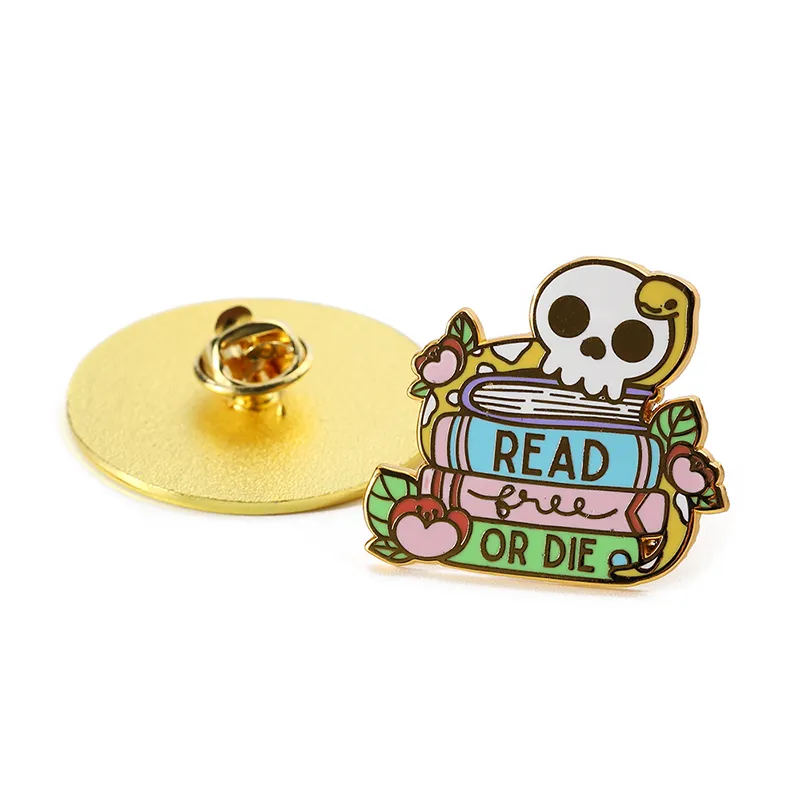
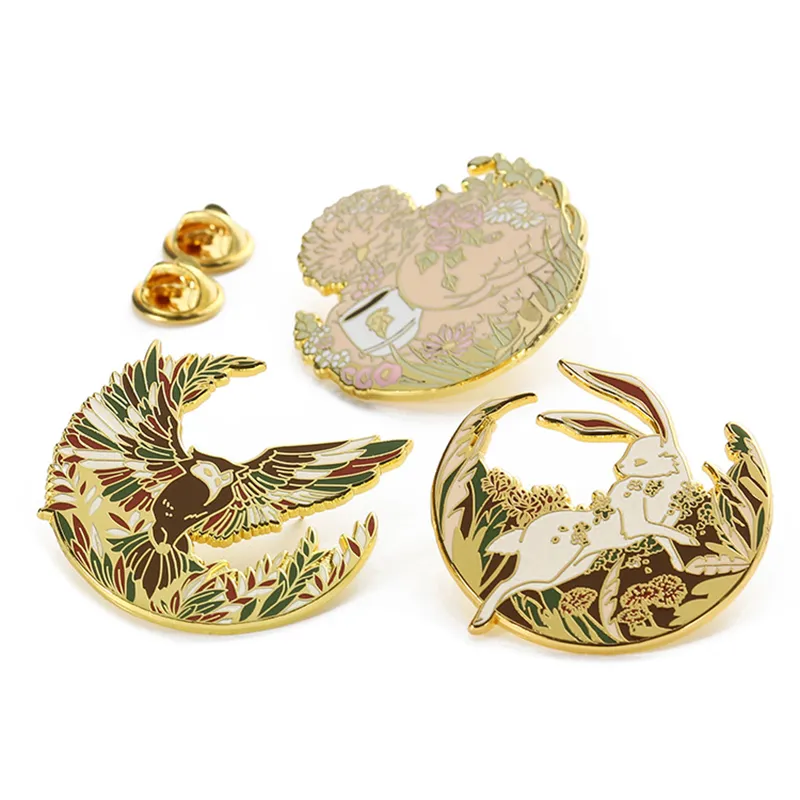
Enamel magnet badges are another popular choice—known for their vibrant colors, smooth finish, and eye-catching design. They’re made by applying colored enamel (a glass-like material) to a metal base, then firing it at high temperatures to create a hard, glossy surface. Enamel badges come in two main styles: soft enamel and hard enamel.
Soft-Emaille-Abzeichen:
- The enamel is applied to the metal base and slightly recessed, leaving the metal edges raised. This creates a textured, dimensional look.
- Colors are vibrant and can be matched to any Pantone color, making them ideal for complex designs with multiple colors.
- More affordable than hard enamel badges, making them a great option for bulk orders or budget-friendly projects.
Hard Enamel Badges:
- The enamel is applied to the metal base and polished to a smooth, flat surface—so the metal edges are flush with the enamel. This creates a sleek, high-end look.
- More durable than soft enamel badges, as the polished surface is resistant to scratches and fading.
- Perfect for high-end brands, luxury events, or anyone looking for a premium accessory.
Key Features of Enamel Magnet Badges:
- Vibrant Colors: Enamel produces rich, opaque colors that stand out and don’t fade over time.
- Smooth Finish: Both soft and hard enamel badges have a smooth, glossy surface that feels high-quality.
- Dimensional Design: Soft enamel badges have a textured look, while hard enamel badges are sleek and flat—both add depth to the design.
Best For: Fashion enthusiasts, brand swag, event souvenirs, gift items, or anyone looking for a vibrant, stylish badge.
Example Use Cases: A fashion brand creating enamel magnet badges with its logo for customers; a music festival giving soft enamel badges to attendees; a couple giving hard enamel badges as wedding favors.
3.3 Plastic Magnet Badges: Budget-Friendly and Versatile
Plastic magnet badges are a cost-effective option—ideal for bulk orders, temporary use, or anyone on a tight budget. They’re made from materials like PVC, acrylic, or ABS plastic, and can be printed with full-color graphics using digital printing techniques.
Wesentliche Merkmale:
- Affordable: Plastic badges are significantly cheaper than metal or enamel badges, making them perfect for bulk giveaways (like trade shows, conferences, or community events).
- Lightweight: They’re lightweight and easy to carry, which is great for shipping or distributing in large quantities.
- Full-Color Printing: Digital printing allows for high-quality, full-color graphics—including photos, complex designs, and gradients.
- Versatile Shapes: Plastic can be easily cut into any shape, from standard circles and squares to custom shapes (like a brand’s logo or a fun character).
Best For: Bulk giveaways, temporary events, children’s badges, budget-friendly marketing campaigns, or anyone looking for a lightweight, colorful badge.
Example Use Cases: A tech company giving plastic magnet badges to attendees at a trade show; a school providing plastic badges to students for a spirit week; a restaurant giving plastic badges to kids with their meals.
3.4 Magnetic Vinyl Badges: Flexible and Easy to Customize
Magnetic vinyl badges are a flexible, lightweight option—made from magnetic vinyl material that can be printed with full-color graphics and cut into any shape. They’re similar to plastic badges but have a more flexible, adhesive-like feel (though they use magnets to attach, not adhesive).
Wesentliche Merkmale:
- Flexible: Magnetic vinyl is bendable, making it ideal for curved surfaces (like backpacks, hats, or jackets with seams).
- Easy to Customize: Digital printing allows for quick, high-quality customization—perfect for small orders or last-minute projects.
- Lightweight: They’re even lighter than plastic badges, making them comfortable to wear for long periods.
- Affordable: Magnetic vinyl badges are budget-friendly, especially for small to medium orders.
Best For: Temporary use, small orders, curved surfaces, or anyone looking for a flexible, easy-to-customize badge.
Example Use Cases: A local business creating magnetic vinyl badges for a one-time promotion; an individual designing a custom badge for a party or event; a sports team using magnetic vinyl badges for its fans.
3.5 3D Magnet Badges: Dimensional and Eye-Catching
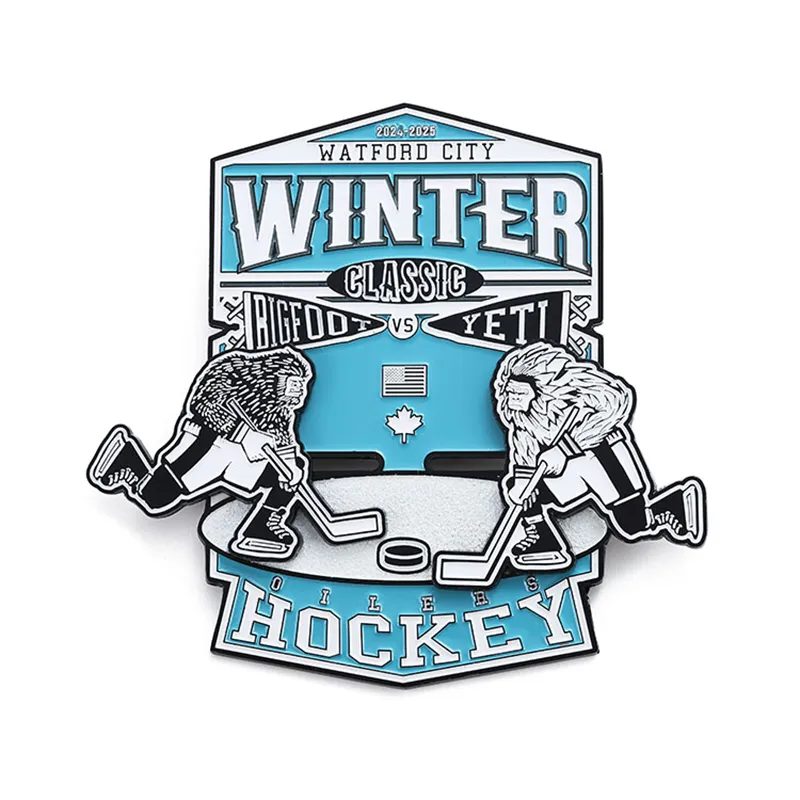
3D magnet badges are a unique, attention-grabbing option—featuring a three-dimensional design that stands out from the surface. They’re typically made using 3D printing, embossing, or molding techniques, and can be made from metal, plastic, or resin.
Wesentliche Merkmale:
- Dimensional Design: The 3D effect adds depth and texture, making the badge more eye-catching than flat badges.
- Unique Look: 3D badges are less common than flat badges, so they’re a great way to stand out from the crowd.
- Customizable: They can be designed to match any logo, character, or design—from simple 3D text to complex 3D shapes (like a brand’s mascot).
Best For: Brand mascots, unique gift items, high-end swag, or anyone looking for a badge that stands out.
Example Use Cases: A toy company creating 3D magnet badges of its mascot for kids; a luxury brand using 3D embossed badges for its premium products; an individual designing a 3D badge of their pet or hobby.
3.6 Glow-in-the-Dark and LED Magnet Badges: Fun and Functional
For those looking for something a little more fun or functional, glow-in-the-dark and LED magnet badges are a great option. These badges add an extra element of excitement—perfect for parties, concerts, festivals, or safety purposes.
Glow-in-the-Dark Magnet Badges:
- Made with glow-in-the-dark material (like phosphorescent paint or vinyl) that absorbs light during the day and glows at night.
- Fun and eye-catching, making them perfect for nighttime events, concerts, or festivals.
- Available in a variety of colors, including green, blue, pink, and yellow.
LED Magnet Badges:
- Feature small LED lights that illuminate the badge, making it highly visible—even in low light.
- Can be set to flash, stay on, or change colors, adding an extra element of fun.
- Battery-powered (usually with small, replaceable batteries) and lightweight.
- Ideal for safety purposes (like night runs or bike rides) or for standing out at events.
Best For: Nighttime events, concerts, festivals, safety purposes, or anyone looking for a fun, attention-grabbing badge.
Example Use Cases: A music festival giving glow-in-the-dark magnet badges to attendees; a running club using LED magnet badges for night runs; a bar or club giving LED badges to customers for a themed night.
4. The Benefits of Magnet Badges: Why They’re Better Than Pins, Patches, and Stickers
It’s easy to confuse magnet badges with other accessories like pins, patches, or stickers—but magnet badges offer a unique set of benefits that make them superior in many ways. Below, we’ll compare magnet badges to these other accessories and highlight why magnet badges are the better choice for most people and businesses.
4.1 Magnet Badges vs. Pin Badges: No Holes, No Damage
Pin badges are the most common alternative to magnet badges—but they have a major downside: they require piercing the fabric to stay in place. This can cause permanent damage to clothing, especially delicate materials like silk, lace, or cashmere. Pins can also snag or tear fabric over time, and they leave small holes that are visible even after the pin is removed.
Magnet badges, on the other hand, attach securely with magnets—no piercing required. They leave no holes, snags, or tears, making them safe for all types of clothing, including delicate items and tailored suits. They’re also easier to remove and reposition: you can switch out your badge in seconds without having to worry about removing a pin (and potentially pricking your finger).
Another advantage of magnet badges over pins is safety. Pin badges have sharp points that can prick or scratch skin—especially dangerous for children or pets. Magnet badges are completely safe, with no sharp edges or points.
4.2 Magnet Badges vs. Patches: Easy to Remove and Reuse
Patches are another popular accessory—often used to decorate jackets, backpacks, or jeans. But patches have several drawbacks: they’re usually sewn or ironed onto fabric, which makes them permanent (or difficult to remove without damaging the fabric). Once you attach a patch, you can’t easily move it to another item of clothing or reposition it.
Magnet badges are the opposite: they’re easy to remove, reposition, and reuse. You can wear a magnet badge on your jacket one day, your backpack the next, and your refrigerator the day after—that’s versatility you can’t get with patches. They also don’t require any sewing or ironing, saving you time and effort.
Patches are also bulkier than magnet badges, which can make them uncomfortable to wear on delicate clothing or for long periods. Magnet badges are lightweight and low-profile, making them comfortable to wear all day.
4.3 Magnet Badges vs. Stickers: Durable and Reusable
Stickers are a budget-friendly alternative to magnet badges—but they’re not nearly as durable or versatile. Stickers use adhesive to attach to surfaces, which can leave a sticky residue when removed. They’re also prone to fading, peeling, and damage from water or wear and tear. Once a sticker is removed, it can’t be reused.
Magnet badges, on the other hand, are durable and reusable. They don’t use adhesive, so they leave no residue behind. They’re resistant to fading, peeling, and water (depending on the material), and they can be reused hundreds of times. This makes them a better value in the long run—even if they’re slightly more expensive than stickers.
Stickers are also limited in terms of surfaces: they work best on smooth, flat surfaces (like laptops or water bottles). Magnet badges work on any magnetic surface (like clothing, bags, refrigerators, or whiteboards) and can be repositioned easily.
4.4 Additional Benefits of Magnet Badges
Beyond being superior to pins, patches, and stickers, magnet badges offer several other benefits:
- Vielseitigkeit: As mentioned earlier, magnet badges work on a variety of surfaces—clothing, bags, refrigerators, whiteboards, metal furniture, and more. You can use them in multiple ways, making them a more versatile accessory.
- Personalisierung: Magnet badges can be customized in nearly any way—shape, size, color, design, material, and finish. Whether you’re looking for a simple text-based badge or a complex, full-color design, you can create a magnet badge that fits your exact needs.
- Cost-Effective: While some magnet badges (like hard enamel or 3D badges) can be more expensive, most are affordable—especially when ordered in bulk. They’re a cost-effective way to promote your brand, create souvenirs, or express yourself.
- Durable: Depending on the material, magnet badges can be very durable—resistant to scratches, fading, and damage. This means they’ll last for years, providing long-term value.
- Safe: Magnet badges are safe for all ages, with no sharp points or edges. They’re also safe for pets, as they won’t get caught on fur or skin.
5. How to Choose the Perfect Magnet Badge: A Step-by-Step Guide
With so many types, materials, and design options available, choosing the perfect magnet badge can feel overwhelming. But don’t worry—we’ve created a step-by-step guide to help you narrow down your options and find the right badge for your needs. Whether you’re buying a single badge for yourself or bulk badges for your business, this guide will help you make an informed decision.
5.1 Step 1: Define Your Purpose
The first step in choosing a magnet badge is to define your purpose. What do you want to use the badge for? Your purpose will dictate everything from the material and size to the design and budget. Here are some common purposes and how they impact your choice:
- Personal Use (Fashion/Expression): If you’re buying a badge for yourself to wear on clothing or bags, focus on style and personalization. Choose a material and design that reflects your personality—like an enamel badge with a fun graphic or a metal badge with a favorite quote. Size-wise, opt for a medium-sized badge (1-2 inches) that’s eye-catching but not too bulky.
- Business/Marketing: If you’re using magnet badges for brand promotion, focus on visibility and durability. Choose a material that’s durable (like metal or hard enamel) so the badge lasts a long time. The design should prominently feature your logo or brand message, and the size should be large enough to be seen from a distance (2-3 inches). If you’re ordering in bulk, consider a more affordable option like plastic or soft enamel.
- Events (Souvenirs/Swag): For event souvenirs or swag, focus on memorability and cost-effectiveness. Choose a design that’s tied to the event (like the event logo, date, or theme) and a material that’s affordable for bulk orders (like plastic, soft enamel, or magnetic vinyl). Size-wise, opt for a small to medium badge (1-2 inches) that’s easy to carry.
- Employee Identification: For employee Abzeichen, focus on professionalism and durability. Choose a metal or hard enamel badge with the employee’s name, title, and company logo. The size should be small enough to be unobtrusive (1-1.5 inches) but large enough to be readable. Consider adding a magnetic backing that’s strong enough to stay in place during the workday.
- Gifts: For gifts, focus on thoughtfulness and quality. Choose a material that feels high-quality (like hard enamel or metal) and a design that’s personalized to the recipient’s interests (like a hobby, favorite quote, or pet). Size-wise, opt for a medium-sized badge (1-2 inches) that’s versatile enough to be worn on clothing or displayed on a refrigerator.
5.2 Step 2: Choose the Right Material
Once you’ve defined your purpose, the next step is to choose the right material. As we discussed earlier, different materials have different features, benefits, and price points. Here’s a quick recap to help you decide:
5.3 Step 3: Decide on Size and Shape
The size and shape of your magnet badge will depend on your purpose, design, and personal preference. Here’s what to consider:
Größe:
- Small (0.5-1 inch): Ideal for subtle, minimalist designs, employee IDs, or children’s badges. They’re unobtrusive but still visible.
- Medium (1-2 inches): The most versatile size—perfect for personal use, event souvenirs, brand swag, and gifts. They’re eye-catching without being too bulky.
- Large (2-3 inches): Great for brand promotion, event logos, or designs that need to be seen from a distance. They’re more noticeable but can be bulky on delicate clothing.
Form:
- Standard Shapes: Circles, squares, rectangles, ovals—these are classic, versatile, and easy to design for. They’re a safe choice for most purposes.
- Custom Shapes: You can choose any custom shape, from a brand’s logo to a fun character, hobby, or symbol. Custom shapes are great for standing out and adding a personal touch. Keep in mind that custom shapes may be slightly more expensive than standard shapes.
5.4 Step 4: Design Your Badge
The design of your magnet badge is crucial—it’s what will make it stand out and convey your message (whether that’s your personality, brand, or event theme). Here are some design tips to help you create a great badge:
- Keep It Simple (But Memorable): Avoid overcrowding your design with too much text or graphics. A simple, clean design is more eye-catching and easier to remember. Focus on one main element (like a logo, graphic, or quote) and keep the rest minimal.
- Use High-Quality Graphics: If you’re using a logo or graphic, make sure it’s high-resolution (300 DPI or higher) to ensure the print quality is clear and crisp. Blurry or low-resolution graphics will make your badge look unprofessional.
- Choose the Right Colors: Colors play a big role in the overall look and feel of your badge. For brand badges, use your brand’s color palette to maintain consistency. For personal badges, choose colors that reflect your personality or the theme of the badge. Keep in mind that some materials (like enamel) offer more color options than others (like metal).
- Consider Text Legibility: If you’re adding text to your badge (like a name, quote, or brand message), make sure it’s legible. Use a font that’s easy to read, and avoid making the text too small. For metal or enamel badges, consider embossing or engraving the text for added visibility.
- Eine persönliche Note hinzufügen: For personal badges or gifts, add a unique element that makes the badge special—like a handwritten quote, a photo (printed on plastic or magnetic vinyl), or a custom graphic that reflects the recipient’s interests.
If you’re not confident in your design skills, many printing companies offer design services—you can work with a designer to create a custom badge that fits your needs. Alternatively, you can use online design tools (like Canva) to create your own design using pre-made templates.
5.5 Step 5: Choose the Right Magnetic Backing
The magnetic backing is just as important as the front of the badge—it’s what keeps the badge securely in place. There are two main types of magnetic backings:
- Single Magnet Backing: A single, strong magnet attached to the back of the badge. This works best for metal surfaces (like refrigerators, whiteboards, or metal clothing) or thick fabric (like jackets or backpacks). Single magnet backings are simple, lightweight, and affordable.
- Dual Magnet Backing: Two magnets—one attached to the back of the badge and another hidden behind the fabric. The two magnets attract each other, creating a secure hold that’s perfect for thin or delicate fabric (like blouses, dresses, or silk). Dual magnet backings are more secure than single magnet backings but slightly more expensive.
When choosing a magnetic backing, consider the surface you’ll be attaching the badge to. For delicate fabric, opt for a dual magnet backing to avoid damaging the material. For metal surfaces or thick fabric, a single magnet backing will work just fine. You should also consider the strength of the magnet—stronger magnets are better for heavier badges or for ensuring the badge stays in place during activity (like walking, running, or dancing).
5.6 Step 6: Set a Budget
Finally, set a budget for your magnet badges. The cost will vary depending on the material, size, design, quantity, and magnetic backing. Here are some tips to help you stay within your budget:
- Bestellung in großen Mengen: Most printing companies offer discounts for bulk orders. If you’re buying badges for a business or event, order as many as you need at once to save money.
- Choose a Budget-Friendly Material: If you’re on a tight budget, opt for plastic or magnetic vinyl badges instead of metal or hard enamel.
- Keep the Design Simple: Complex designs (like full-color graphics, 3D elements, or custom shapes) can be more expensive. Keep the design simple to save money.
Compare Prices: Don’t settle for the first printing company you find. Compare prices from multiple companies to find the best deal. Make sure to factor in shipping costs and turnaround time.
conclusion:
Free from the limitations of pins, patches, or stickers—no fabric damage, no one-time use, no compromising on style—they embody the modern desire for functionality without sacrificing personality. In 2026 and beyond, as personalization, sustainability, and cost-effectiveness remain at the forefront of consumer and business priorities, magnet badges will continue to shine as a timeless yet relevant choice.
Whether you opt for a sleek metal design, a vibrant enamel piece, a budget-friendly plastic badge, or a DIY creation made with care, remember: every magnet badge carries a message—yours. Wear it proudly, share it freely, and let this small but mighty accessory work for you, turning everyday moments into opportunities to stand out, connect, and leave a lasting impression.
PRODUKTKATEGORIEN
Möchten Sie einzigartiges Metallhandwerk haben?
Lassen Sie uns so schnell wie möglich Kontakt aufnehmen.
Wir sind ein professioneller Hersteller von individuellem Metallhandwerk und können für Sie exquisite Metallkunstwerke nach Ihren Bedürfnissen und Vorlieben herstellen.