


















Custom pin designs have evolved from simple company logos to powerful branding tools that capture attention and spark conversations. Whether you’re launching a business, commemorating an event, or building a community, the right pin design can make all the difference in how people connect with your message.
What Makes a Custom Pin Design Stand Out
The most effective custom pins balance creativity with clarity. Your design needs to be instantly recognizable even at a small size, typically ranging from 0.75 to 2 inches. This constraint forces designers to focus on essential elements that communicate your message without overwhelming the viewer.
Color choice plays a crucial role in pin effectiveness. Bold, contrasting colors ensure visibility across different lighting conditions and clothing colors. Many successful designs limit themselves to three or four colors maximum, creating clean lines that translate well to the manufacturing process.
Popular Pin Styles and Their Best Applications
Enamel pins dominate the custom pin market for good reason. Hard enamel pins offer a smooth, polished finish that feels premium and withstands daily wear. Soft enamel pins provide texture and depth at a lower cost point, making them ideal for larger quantity orders or budget-conscious projects.
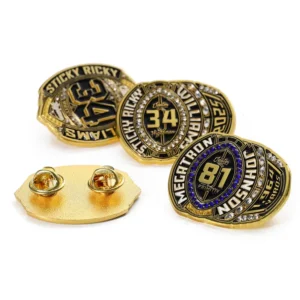
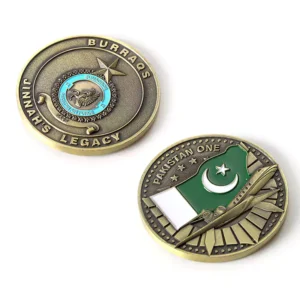
Die-struck pins work exceptionally well for designs that rely on fine details or metallic finishes. These pins showcase intricate line work and raised elements that catch light beautifully. Photo-etched pins allow for the most detailed designs, including gradients and photographic elements that other manufacturing methods cannot achieve.
Design Elements That Actually Work
Typography on pins requires special consideration. Sans-serif fonts generally perform better than serif fonts at small sizes. Text should be large enough to remain legible – typically no smaller than 8 points for most manufacturing processes. Consider how the text will interact with other design elements and background colors.
Symbols and icons often communicate more effectively than text on pins. A well-designed icon can convey complex ideas instantly and transcend language barriers. When combining text and symbols, ensure they complement rather than compete for attention.
From Concept to Reality: The Design Process
Starting with pencil sketches helps refine your concept before moving to digital tools. This traditional approach allows for rapid iteration and helps identify potential manufacturing challenges early. Many designers find that their best ideas emerge during this hands-on exploration phase.
Digital mockups should simulate the actual pin size and manufacturing constraints. Vector graphics programs like Adobe Illustrator or free alternatives like Inkscape work best for creating scalable designs that maintain quality during production. Always create your design at actual size to ensure all elements remain visible and impactful.
My Experience Creating a Pin Series That Actually Sold
Last year, I designed a series of pins for a local coffee shop chain. Initially, we created overly complex designs with small text and multiple gradients. The first samples came back muddy and hard to read. After simplifying the color palette to three bold colors and enlarging the central coffee cup icon, the pins transformed into eye-catching pieces that customers actively sought out. The shop sold over 2,000 pins in three months, proving that sometimes less really is more in pin design.
Avoiding Common Design Mistakes
Over-detailing ranks as the most frequent error in custom pin design. What looks perfect on a computer screen may become illegible when reduced to pin size. Always test your design by printing it at actual size and viewing it from arm’s length.
Color bleeding represents another manufacturing reality that affects design choices. Adjacent colors of similar values may blur together during production. Maintaining strong contrast between neighboring elements prevents this issue and ensures your design remains crisp.
Manufacturing Considerations That Impact Design
Different manufacturing processes impose specific design limitations. Screen printing requires bold, separated colors with clean edges. Offset printing allows for more subtle color transitions but increases cost. Understanding these constraints during the design phase prevents costly revisions later.
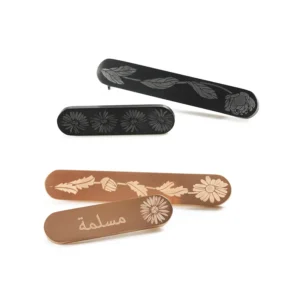
Metal plating options affect the overall aesthetic significantly. Gold plating suggests luxury and tradition, while black nickel creates a modern, edgy feel. Silver and copper platings offer versatile middle grounds that complement most color schemes. Consider how your plating choice reinforces your brand message.
Pricing Your Custom Pin Project
Quantity dramatically affects per-unit pricing. Most manufacturers offer significant breaks at 100, 250, 500, and 1,000 piece minimums. Planning your initial order strategically can reduce costs while ensuring adequate inventory for distribution.
Complex designs cost more to produce regardless of quantity. Multiple colors, intricate details, and special finishes all increase manufacturing complexity and pricing. Balancing design ambition with budget constraints requires honest evaluation of which elements truly serve your goals.
Making Your Pins Work for Marketing
Custom pins excel as conversation starters and brand ambassadors. Unlike business cards that get filed away, pins remain visible on clothing, bags, and accessories. This ongoing exposure creates repeated brand impressions that traditional marketing materials cannot match.
Limited edition designs create urgency and collectibility. Numbering pins or creating seasonal variations encourages immediate action and repeat engagement. Many successful brands release quarterly or monthly pin designs that keep their audience engaged and coming back for more.
Quality Control and Final Production
Always request physical samples before approving full production runs. Digital mockups cannot capture the tactile experience or reveal potential manufacturing issues. Inspect samples under different lighting conditions and on various background colors to ensure consistent performance.
Packaging decisions impact perceived value significantly. Simple poly bags work for basic distribution, while custom cards or boxes elevate the unboxing experience. Consider how recipients will first encounter your pins and design packaging that enhances rather than detracts from your design investment.
Custom pin designs offer unique opportunities to create lasting connections with your audience. By focusing on clear communication, understanding manufacturing realities, and testing designs thoroughly, you can create pins that people proudly display and actively collect. The key lies in balancing creative vision with practical constraints to produce designs that work beautifully in the real world.