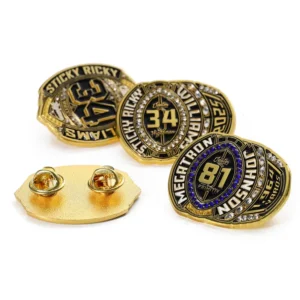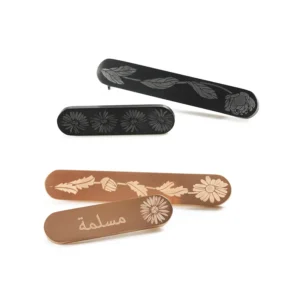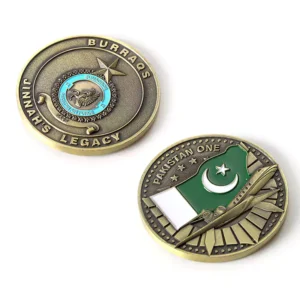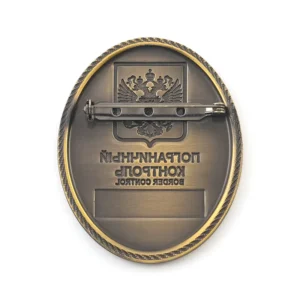























In the world of accessories, few items pack as much personality into such a compact form as the small lapel pin. These miniature marvels have become increasingly popular among professionals, collectors, and fashion enthusiasts who appreciate subtle yet meaningful ways to express themselves.
Understanding Small Lapel Pins
Small lapel pins, typically measuring between 0.5 to 1 inch in diameter, represent the perfect balance between visibility and discretion. Unlike their larger counterparts, these diminutive accessories allow wearers to make a statement without overwhelming their outfit or appearing ostentatious in professional settings.
The appeal of tiny lapel pins lies in their versatility. Whether you’re attending a business meeting, formal event, or casual gathering, these accessories can complement any attire while conveying personal interests, achievements, or affiliations.
Types and Styles of Mini Lapel Pins
The world of mini lapel pins encompasses a diverse range of designs and materials. Hard enamel pins offer durability and a smooth, polished finish that resists scratching and fading. Soft enamel variants provide texture and depth, with raised metal lines creating distinctive patterns.
Metal finishes vary from classic gold and silver to modern black nickel and antique bronze. Some manufacturers specialize in creating pins with intricate details despite their small size, incorporating features like glitter, glow-in-the-dark elements, or multiple layers of enamel.
Manufacturing and Quality Considerations
Creating high-quality small lapel pins requires precision manufacturing techniques. The reduced canvas size means every detail must be carefully planned and executed. Reputable manufacturers use die-struck processes to ensure clean lines and consistent dimensions across production runs.
Quality tiny lapel pins feature secure backing mechanisms, typically butterfly clutches or rubber backs, that provide reliable attachment without damaging clothing. The pin posts themselves should be straight and properly positioned to ensure the design sits level when worn.
Professional Applications
In corporate environments, small lapel pins serve multiple purposes. They can denote years of service, department affiliations, or professional certifications. Many organizations prefer mini lapel pins because they maintain a professional appearance while still allowing for recognition and identification.
Service industries, hospitality businesses, and healthcare organizations frequently utilize these accessories to distinguish staff roles or highlight achievements without creating visual clutter on uniforms.
Personal Experience with Collecting
During my years of collecting and studying lapel pins, I’ve observed how the trend toward smaller designs has evolved. What began as a practical consideration for workplace appropriateness has transformed into an art form where designers challenge themselves to create maximum impact within minimal space.
I’ve noticed that collectors often gravitate toward tiny lapel pins because they’re easier to display and store. A single shadow box can accommodate dozens of small pins, creating impressive collections that tell personal stories or document travels and experiences.
Design Principles for Small Formats
Effective mini lapel pin design requires understanding how visual elements translate at reduced scales. Bold, simple shapes typically work better than intricate details that may become muddled when compressed. Color contrast becomes crucial for maintaining readability and visual impact.
Typography on small lapel pins demands careful consideration. Sans-serif fonts generally perform better than serif varieties, and designers often opt for abbreviated text or symbols rather than full phrases to maintain legibility.
Care and Maintenance
Proper care extends the lifespan of tiny lapel pins significantly. Gentle cleaning with soft cloths prevents buildup of oils and debris that can dull enamel surfaces. Storage in dedicated pin books or foam-lined boxes prevents scratching and keeps pins organized.
For pins showing signs of wear, professional restoration services can often refresh enamel colors and repair minor damage, though prevention through proper handling remains the best approach.
Customization and Personalization
Modern manufacturing capabilities allow for extensive customization of small lapel pins. Digital design tools enable precise mockups that help visualize how artwork will appear at reduced sizes. Many suppliers offer sample services, allowing customers to evaluate quality and appearance before committing to larger orders.
Minimum order quantities for custom tiny lapel pins have decreased significantly, making personalized designs accessible for small businesses, clubs, and individual projects.
Market Trends and Future Outlook
The market for small lapel pins continues expanding as consumers seek subtle ways to express individuality in increasingly casual dress codes. Social media has amplified interest in collectible pins, with tiny versions often photographing well for online sharing.
Sustainability concerns are driving innovation in materials and manufacturing processes. Recycled metals and eco-friendly packaging options are becoming standard offerings from environmentally conscious suppliers.
Purchasing Considerations
When selecting small lapel pins, consider the intended use and environment. Workplace pins should align with dress code policies and professional standards. Personal collection pieces might prioritize artistic merit or emotional significance over practical concerns.
Evaluating supplier credentials, reviewing sample work, and understanding production timelines helps ensure satisfactory outcomes for both individual purchases and bulk orders. Quality mini lapel pins represent investments in personal expression that, with proper care, can provide years of enjoyment and utility.
Small lapel pins prove that significant impact doesn’t require substantial size. These tiny accessories continue evolving as technology advances and design sensibilities change, ensuring their relevance in both professional and personal contexts for years to come.