















The Ultimate Guide to Badges: History, Types, Craftsmanship and Modern Applications

Table of Contents

For thousands of years, badges have been an indispensable part of human culture. As symbols of identity, achievement, belonging and prestige, they have run through the entire course of human civilization. From ancient civilizations to the digital age, these small and often exquisitely designed emblems have evolved constantly in form, function and meaning, yet their core purpose remains unchanged: to convey messages without a single word. Whether pinned to a uniform, displayed on a backpack, awarded as a prize for outstanding achievement, or treasured by collectors, badges build a bridge between personal expression and a sense of collective belonging, serving as tangible testaments to who we are, what we have accomplished, and the communities we hold dear.
 
This comprehensive guide delves deep into the world of badges, covering their long history across continents and eras, a vast array of types, intricate craftsmanship, cultural significance in different societies, as well as their adaptation and development in modern society. We also share practical insights into collecting, preserving and designing badges, making this article an essential reference for enthusiasts, collectors, businesses and anyone curious about these timeless symbols.


A Brief History of Badges: From Ancient Symbols to Modern Emblems

The story of badges begins in ancient civilizations, where early handcrafted badges were exclusive to royalty, religious leaders and the elite, serving as symbols of power, status and divine favor. These primitive emblems were a form of visual communication, allowing people to clearly define their place in society without speaking a word.
 

Ancient Civilizations: Symbols of Power and Devotion

The earliest known “badges” date back to the Mesopotamian civilization around 3000 BCE, where archaeologists have discovered clay and metal tokens engraved with symbols of trade guilds, deities and royal lineages. No larger than a thumb, these tokens were worn as pendants or attached to clothing: priests wore tokens engraved with symbols of deities such as Anu (the god of the sky) to assert sacred authority, while merchants used guild emblem tokens to build trust in trade. Crafted through simple casting techniques, these tokens grew more elaborate over time, featuring intricate carved patterns, and in some regions, they even served as currency.
 
In ancient Egypt (c.2600 BCE–1070 BCE), badges became more ornate. Pharaohs and officials wore brooches made of gold, silver and semi-precious stones, adorned with hieroglyphs. Symbols such as the Eye of Horus (a symbol of protection) and the scarab (a symbol of rebirth associated with Khepri) were common motifs, worn as amulets by all social classes—some scarab badges were even placed in tombs to guide the deceased into the afterlife.
 
Ancient Greece and Rome further refined the form of badges. Roman soldiers wore signa militaria on their shields and armor to distinguish legions and ranks (for example, centurions wore eagle emblems), boosting soldiers’ pride and cohesion. Winners of the ancient Greek Olympic Games were awarded bronze or silver Stephanai badges, engraved with their accomplishments as a lifelong testament to their glory. Additionally, Greek citizens wore badges to proclaim their civic identity, such as the insignia of their city-state.
 

The Middle Ages: Guilds, Knights and Identity Markers

During the Middle Ages (5th–15th centuries), the growing sophistication of social structures led to a surge in the use of badges, driven by guilds and the knightly class. Badges gradually spread to the middle class, becoming a tool for people to navigate the complex social hierarchy.
 
Guilds (associations of craftsmen and merchants) adopted unique badges—for example, bakers used bread motifs and blacksmiths used anvil motifs—to identify members and regulate trade. Worn on aprons or hats, these badges allowed customers to quickly recognize skilled craftsmen and reinforced the exclusivity of the guilds. Guilds also displayed their badges in processions, and some cities even passed laws mandating that guild members wear them, with fines for non-compliance.
 
Knights used livery badges (simple symbols such as roses or lions) to pledge allegiance to their lords or monarchs. During the Wars of the Roses in 15th-century England, the House of Lancaster adopted the red rose as its badge, while the House of York used the white rose—these two symbols later merged into the Tudor rose, a symbol of British unification. Religious orders also used exclusive badges, and pilgrims carried lead or tin pilgrim badges to commemorate their journeys, prove they had visited holy sites, and pray for healing from illness.
 

The Renaissance to the Industrial Revolution: Mass Production and Popularization

The Renaissance (14th–17th centuries) brought significant advances in metalworking technology, making badges more elaborate and accessible. Wealthy merchants and the middle class began to use badges as a medium for personal expression, with portrait badges (miniature painted or carved portraits) and heraldic badges (bearing personal mottos or symbols) growing popular among the aristocracy.
 
The Industrial Revolution (18th–19th centuries) marked a turning point in badge development. The advent of steam-powered machinery enabled the mass production of badges. Stamping machines could produce hundreds of badges per hour, using low-cost materials such as brass and iron, making badges truly accessible to the general public and democratizing their use. This era saw the rise of award badges, including Britain’s Victoria Cross (the highest honor for bravery), established in 1813. Political campaign badges also emerged during this time—for example, the “Votes for Women” badges worn by suffragists became an important symbol for uniting supporters.
 

The 20th Century to the Present: Badges in Pop Culture and the Digital Age
In the 20th century, badges became a vital part of popular culture. During World War I and World War II, standardized military badges became symbols of patriotism, and in the post-war era, they became highly sought-after collector’s items. In the 1960s and 1970s, activists used badges as a tool for protest, with emblems bearing slogans such as “Peace Now” and “I Am a Man” conveying demands for anti-war and civil rights. Meanwhile, with the rise of popular culture IPs such as Star Wars (the Rebel Alliance symbol) and Harry Potter (the Hogwarts house badges), fan badges grew in popularity.
 
Today, digital badges have emerged—a modern variant of traditional badges issued online to recognize skills, achievements or participation, and verifiable through digital platforms. Usually digital images in PNG or SVG format, they embed metadata such as the issuer, recipient, date and skills, and can be displayed on social media, resumes, LinkedIn or digital portfolios for easy sharing and verification, serving as an important medium for showcasing abilities in the digital age.
 
While digital badges have developed rapidly, physical badges remain deeply beloved. Their tactile texture and emotional value are irreplaceable by digital versions, and many people pass them down as family heirlooms from one generation to the next.
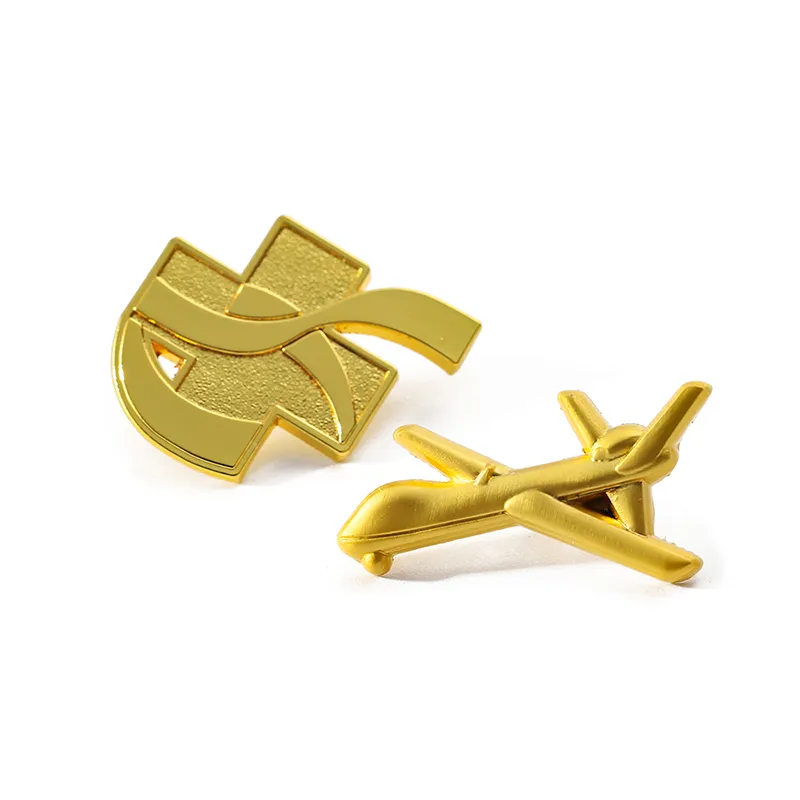
1922-4-A golden pin in the shape of an airplane
A Golden Pin In The Shape Of An Airplane
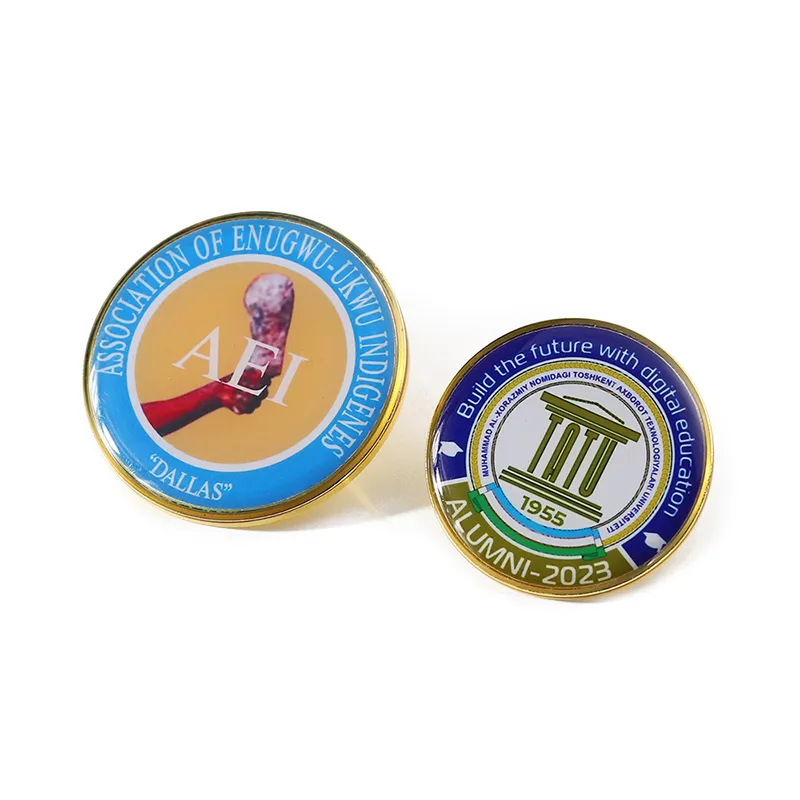
1911-1-TATU Round Resin Surface Badge
TATU Round Resin Surface Badge

Types of Badges: A Comprehensive Classification

Badges come in a wide variety of shapes, sizes and styles, each type serving a specific purpose. Although there is no unified official classification standard, badges can be divided into several major categories based on their function, design and use. Understanding the different types of badges helps you make the right choice for your needs—whether it’s for identifying employees, rewarding achievements, promoting a brand, or expressing personal style, there is a badge type to suit every need. Below are the most common types of badges, along with their characteristics and examples.


1. Identification Badges

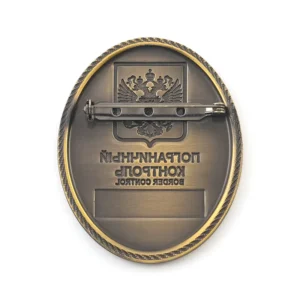
Identification (ID) badges are the most common type, used to verify personal identity, affiliation with an organization, or access to specific premises. Widely used in professional settings such as offices, hospitals, schools and government buildings, they typically include key information such as the wearer’s name, photo, position and organizational logo. Identification badges are crucial for security management, allowing employers, security personnel and others to quickly confirm whether someone is authorized to enter a specific area or perform a specific task.


Examples
: Employee ID badges, student ID badges, government ID badges, visitor badges.

2. Award and Achievement Badges

These badges are awarded to recognize outstanding performance in education, sports, the military, scouting and professional fields. Exquisitely designed and made of high-quality materials such as metal and enamel, some are even engraved with personalized information such as the wearer’s name, date and achievement. They can be worn, displayed or collected, serving as tangible testaments to honor and accomplishment.

Examples
: Military medals, scouting badges, sports badges, academic badges, professional certification badges.


3. Affiliation and Membership Badges

These badges signify an individual’s belonging to a group, club or community, usually prominently displaying the group’s logo, symbol or name for easy identification. Simple in design and durable in material, they can be pinned to clothing or backpacks, allowing members to recognize one another, express loyalty to their group and strengthen collective cohesion.
 

Examples: Club badges, political party badges, trade union badges, fan club badges.

4. Decorative and Fashion Badges

Primarily used for ornamentation, these badges are a medium for personal style expression and have no connection to a specific group or achievement—people choose them simply because their design, color or meaning aligns with personal taste. Decorative and fashion badges can be paired flexibly, helping people showcase their individuality and add a unique touch to their outfits or accessories.


Examples
: Enamel pins popular in street style, iron-on patches, brooches as elegant adornments for formal occasions, statement badges as visual focal points in an outfit.

5. Collectible Badges

Designed exclusively for collectors, these badges are usually limited edition, uniquely designed or historically significant, made of high-quality materials, and some even come with a certificate of authenticity, boasting high collectible and appreciation value. Collecting badges is a popular hobby worldwide, with enthusiasts eager to find rare and unique treasures.


Examples
: Vintage military badges, limited-edition enamel pins, medieval pilgrim badges, corporate anniversary badges.

6. Digital Badges

Digital badges are a modern variant of traditional badges, issued online to recognize skills, achievements or participation, and verifiable through digital platforms. Usually digital images in PNG or SVG format, they embed metadata such as the issuer, recipient, date and skills, and can be displayed on social media, resumes, LinkedIn or digital portfolios for easy sharing and verification. They are an important medium for showcasing abilities in the digital age.
 

Examples: Educational digital badges, professional digital badges (Google Analytics certification badges, Salesforce certification badges), social media badges (verification badges, YouTube Partner Program badges), event participation badges (certificates for conference or marathon participation).

Badge Craftsmanship: Materials, Techniques and Production Processes

The quality and appearance of a badge depend largely on the materials and craftsmanship used in its production. From ancient handcrafted badges to modern mass-produced pins, the manufacturing techniques of badges have undergone earth-shaking changes, yet the core principles of design and production remain the same. Whether you are designing custom badges for a business, collecting vintage badges, or simply curious about the badge-making process, understanding the materials and techniques used in badge production allows you to appreciate more deeply the craftsmanship and skill behind these small yet powerful symbols.

Common Materials Used in Badge Production

Badges can be made from a variety of materials, each with unique properties, advantages and disadvantages. The choice of material depends on the badge’s purpose, design, budget and expected durability—for example, high-end award badges may use gold-plated brass with hard enamel, while promotional pins may use plastic or soft enamel. Below are the most common materials used in badge production, along with their characteristics and applications.
 

Metals

Metal is one of the most commonly used materials for badges, prized for its durability, versatility and classic appearance. Through processes such as shaping, carving, gold plating and enameling, metal can be used to make a wide range of badges, from simple pins to intricate medals. The main types of metals used in badge production and their characteristics are as follows:
 
  • Brass: Cost-effective and highly malleable, with a golden hue. Often plated with gold or silver to enhance its appearance and prevent oxidation and discoloration, it is the most commonly used base metal in badge production.
  • Copper: Soft and highly ductile, with a warm reddish-brown tone. It develops a unique patina (oxidation layer) when exposed to air for a long time, a vintage texture many collectors consider highly valuable. It is often used to make vintage-style badges.
  • Silver: A high-end material with a bright finish and excellent durability. Often plated with rhodium to prevent oxidation and discoloration, it is mostly used to make high-end award badges, military badges and collectible badges.
  • Gold: The most prestigious material for badges, with a rich, warm color and extremely strong oxidation resistance. It is used to make top-tier award badges (such as the Nobel Prize medal). To reduce costs, most gold-colored badges are made using gold-plated brass or copper, with only a few rare treasures crafted from pure gold.
  • Iron/Steel: Durable and low-cost, suitable for mass-producing identification badges and membership pins. However, iron and steel are prone to rust and usually require galvanization or nickel plating to form a protective layer. Their aesthetic quality is inferior to metals such as brass and copper, and they are mainly used for badge production with a limited budget.
 

Enamel

Enamel is a glass-like material that is melted and applied to the surface of metal badges to add color and detail. Enamel badges are extremely popular for their bright colors, durability and smooth, glossy finish. Made by mixing glass powder, flux and colored pigments, enamel is fired at high temperatures to form a hard, durable surface. Based on production processes and characteristics, the main types of enamel used in badge production are as follows:

  • Cloisonné Enamel: A traditional craft where thin metal wires (called cloisons) are soldered to a metal base to divide the surface into different color areas. Colored enamel is then filled into each area and fired at 800–900°C, with the metal wires remaining clearly visible, adding layering and delicacy to the badge. The intricate and time-consuming cloisonné process is mostly used to make high-end collectible and award badges.
  • Hard Enamel: Also known as “high-temperature enamel”, its production process is similar to cloisonné enamel but does not require metal wires to divide color areas. Enamel is directly applied to the metal base, fired at 800–900°C, and then polished to make the enamel surface flush with the metal edges. Smooth, flat and scratch-resistant, with a high-end, exquisite appearance, it is mostly used to make award badges and high-end promotional badges.
  • Soft Enamel: An economical alternative to hard enamel. Enamel is applied to the metal base and fired at a low temperature of 700–800°C, leaving the enamel slightly raised and creating a height difference with the metal edges for a unique tactile feel. Soft enamel features low production costs, high efficiency and great design flexibility, making it suitable for mass-producing promotional pins and membership badges.
  • Epoxy Enamel: A synthetic alternative to traditional enamel, essentially a resin material that adheres to metal surfaces through UV curing. It offers a rich range of colors (including glitter and metallic shades) and a smooth, glossy finish similar to hard enamel. Epoxy enamel has low production costs and fast production speed, requiring no high-temperature firing, and is mostly used to make promotional badges and fashion pins.
 

Plastics

Lightweight and low-cost, plastic is suitable for mass-producing identification badges, visitor badges and promotional pins. Through injection molding or screen printing, plastic badges in various colors and shapes can be made, offering good durability to meet daily wearing needs. The main types of plastic used in badge production are as follows:

  • Acrylic: High transparency and scratch resistance, often used to make identification badges that require clear display of photos or text. Patterns and information can be printed via screen printing or digital printing. Lightweight and comfortable to wear (usually paired with a lanyard).
  • Polyvinyl Chloride (PVC): Soft, flexible and low-cost, it can be injection-molded into various shapes, with color patterns printed via screen printing or pad printing. It is often used to make promotional pins and keychain badges. However, PVC becomes brittle when exposed to sunlight for a long time and is less durable than acrylic and polycarbonate.
  • Polycarbonate: High impact resistance, tamper-proof and secure, it is often used to make identification badges for high-security settings (such as government buildings and hospitals). It can be embedded with anti-counterfeiting features such as holograms and UV inks, offering excellent durability but at a higher price than acrylic and PVC.

Fabrics

Fabric is mainly used to make patch badges that can be sewn or ironed onto clothing, widely applied to uniforms, jackets, backpacks and other items, serving as an important carrier for affiliation and decorative badges. Soft and form-fitting, fabric badges can have patterns created through embroidery or printing. The main types of fabric used are as follows:
 
  • Cotton: Soft, breathable and easy to embroider, suitable for making custom patch badges with a rich range of colors. However, it is prone to shrinkage and fading with repeated washing, offering only average durability.
  • Polyester: Durable, wrinkle-resistant, fade-resistant and shrink-resistant, suitable for making badges that require long-term wear or frequent washing (such as sports team patches and military uniform badges). Patterns can be created through embroidery or printing, and it is low-cost, making it suitable for mass production.
  • Denim: Thick and rugged in style, often used to make vintage-style patch badges. It can be treated with embroidery, printing or distressing to create a unique vintage texture, beloved by fashion enthusiasts.

Other Materials
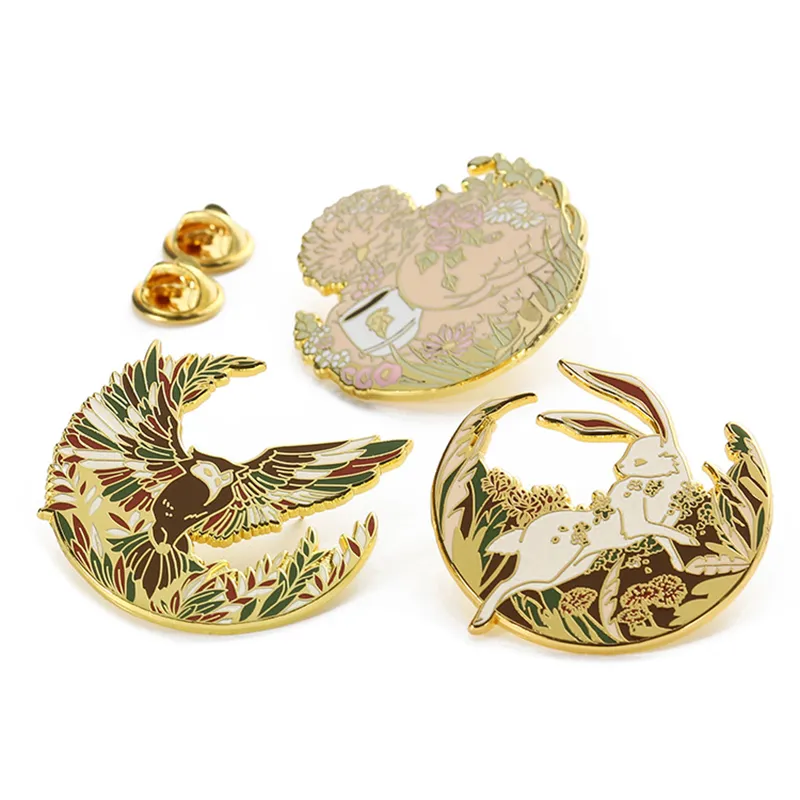
In addition to the above common materials, wood, leather, crystal and other materials are also used to make badges. These materials are mainly for decorative, collectible or high-end award badges, adding a unique texture and style. Wood can have patterns created through laser engraving, boasting a natural, warm texture and suitable for making eco-friendly badges, though it has poor durability. Leather is soft with a unique texture, and patterns can be created through embossing or carving for a vintage, rugged style. Crystal features high transparency and luster, often used to make high-end award badges to signify dignity and glory.
1705-3-Exquisite gilded animal badges
Exquisite gilded animal badges
1728-1-HIFDDI vs YETI Ice Hockey Competition Limited Edition Badge
Ice Hockey Competition Limited Edition Badge

Core Production Techniques

Badge production techniques vary by material and design, with different processes suitable for different types of badges. The core production techniques include the following:

  • Casting: An ancient craft used since Mesopotamian times, where metal is melted and poured into a mold, then cooled to form a shape. It is still used today to make badges with complex designs and unique three-dimensional shapes (such as relief medals).
  • Stamping: An important innovation of the Industrial Revolution, where metal sheets are pressed with metal molds to quickly create the basic shape and pattern of a badge. High-efficiency and low-cost, it is suitable for mass production (such as ordinary pins and identification badges).
  • Enameling: The core craft for enamel badges, where enamel material is applied to a metal base and bonded to the metal through high-temperature firing (cloisonné, hard enamel) or UV curing (epoxy enamel) to add color and durability.
  • Engraving/Etching: Patterns or text are carved onto the surface of metal, wood, plastic and other materials through mechanical or chemical methods. It is used to make personalized badges (such as award badges engraved with a name) or badges with intricate details.
  • Printing: Including screen printing and digital printing, it is mainly used to make badges from plastic, fabric, acrylic and other materials. It can quickly print color patterns and text, with low costs and high efficiency, making it suitable for mass-producing promotional and decorative badges.
  • Plating: A thin layer of another metal (such as gold, silver, rhodium, zinc or nickel) is plated onto the surface of a metal badge. This not only enhances the badge’s appearance but also prevents oxidation, discoloration and rust, extending its service life. It is an important post-processing craft for metal badges.

Badge Care: Practical Tips for Collectors and Enthusiasts

Proper care can effectively extend the service life of a badge. For collectible badges in particular, good preservation can maintain their original quality and collectible value. Below are the core tips for badge care:
 
  • Storage Environment: Store badges in a dry, cool and well-ventilated place, avoiding humid conditions (to prevent metal oxidation and fabric mold) and direct sunlight (to prevent color fading and plastic brittleness).
  • Protection Measures: Place collectible badges in acid-free sealed bags, display cases or photo frames to avoid friction with other hard objects, preventing surface scratches and enamel chipping.
  • Cleaning Methods: Wipe metal badges gently with a soft, dry cloth, avoiding corrosive cleaners; dust fabric patch badges by gently tapping, and if cleaning is needed, use a mild detergent, hand wash and air dry naturally; clean acrylic badges with warm water and a small amount of neutral soap, then dry with a cloth.
  • Daily Wearing: Avoid bending or dropping badges when wearing them, and keep them away from high temperatures and corrosive substances (such as perfume and sweat) to prevent damage and discoloration.

Custom Badge Design: Key Considerations

When designing custom badges, it is essential to combine the badge’s purpose, target audience and durability requirements, focusing on the following points to ensure the design is both practical and aesthetically pleasing:
 
  1. Clarify the Purpose: Identification badges must ensure clear readability of text and photos; award badges should emphasize design delicacy and a sense of honor; promotional badges need eye-catching, memorable designs that highlight the brand or event theme.
  2. Choose Materials Wisely: Select materials based on the badge’s usage scenario and budget—for example, hard enamel with brass for long-worn badges, soft enamel with iron for low-cost promotional badges, and polycarbonate for high-security identification badges.
  3. Keep the Design Simple and Clear: Badges are usually small in size, so avoid overly complex patterns and excessive text. Ensure patterns are clear, text is legible, and core information (such as logos and names) is highlighted.
  4. Incorporate Brand Elements: For corporate custom badges, integrate brand logos, brand colors, brand slogans and other elements to strengthen brand recognition and make the badge a supplementary tool for brand promotion.

Conclusion: The Timeless Charm of Badges

From the tokens of ancient Mesopotamia to the digital badges of today, these small symbols have spanned thousands of years, evolving constantly with the development of human society yet always adhering to their core mission: to convey identity, celebrate achievement and foster belonging. The versatility of badges—in terms of materials, types and uses—has allowed them to maintain strong vitality in an increasingly digital world, cherished by collectors, valued by professionals, and treasured by everyone who yearns to express themselves and connect with others.
Whether you are a collector in search of rare vintage badges, a professional designing custom promotional pins for a business, or simply curious about the history and craftsmanship of badges, badges open a window into human culture—behind every badge lies a story, a belief, or a precious personal memory.

YOU MAY ALSO LIKE…