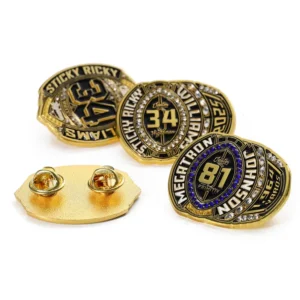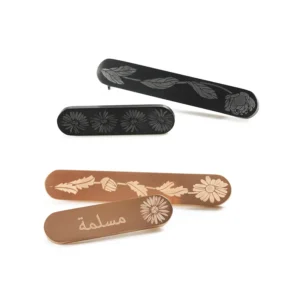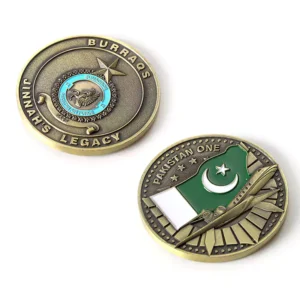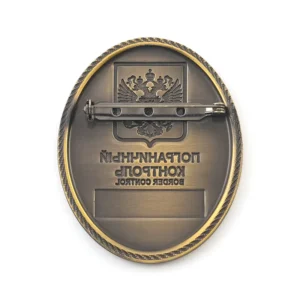




















Pins and buckles have evolved far beyond their original utilitarian purposes, becoming essential elements in fashion, collectibles, and personal expression. Whether you’re looking for practical hardware solutions or decorative accessories, understanding the diverse world of buckle pins and their applications can help you make informed choices for your specific needs.
Understanding the Fundamentals of Pins and Buckles
The relationship between pins and buckles is rooted in functionality and design. Traditional buckles rely on pins as their primary fastening mechanism, creating secure connections for belts, bags, shoes, and various other accessories. The pin serves as the crucial component that threads through holes or slots, providing the tension needed to maintain a firm grip.
Modern buckle pins come in numerous configurations, each designed for specific applications. Frame buckles feature a movable pin attached to a rectangular or shaped frame, commonly used in leather goods and clothing. Pin buckles incorporate the pin as an integral part of the buckle body, often seen in military and outdoor gear. Side-release buckles use a different pin mechanism, employing spring-loaded pins for quick connection and disconnection.
Material Considerations and Durability
The choice of materials significantly impacts both the performance and appearance of pins and buckles. Stainless steel offers exceptional corrosion resistance and strength, making it ideal for marine applications and outdoor equipment. Brass provides an attractive golden appearance with good durability, commonly used in fashion accessories and decorative hardware.
Aluminum buckles deliver lightweight performance while maintaining reasonable strength, perfect for backpacking gear and athletic equipment. Plastic options offer cost-effectiveness and color variety, though they may lack the durability needed for heavy-duty applications. The pin mechanism must complement the buckle material to ensure consistent performance and longevity.
The Rise of Custom Pins and Buckles
Custom pins and buckles have gained tremendous popularity as businesses and individuals seek unique ways to express identity and brand recognition. Custom options allow for precise specification of dimensions, materials, finishes, and decorative elements that standard products cannot provide.
Manufacturing custom pins and buckles involves several specialized processes. Die-casting creates complex shapes with fine details, while CNC machining provides precision for critical dimensions. Stamping and forming work well for simpler designs in thin materials. Surface treatments like plating, anodizing, or powder coating add both protection and aesthetic appeal to the finished product.
Design considerations for custom pieces include load requirements, environmental conditions, and aesthetic preferences. The pin mechanism must be engineered to handle expected stresses while maintaining smooth operation over time. Proper tolerances ensure reliable engagement without excessive wear or binding.
Applications Across Industries
Fashion and accessories represent the largest market for decorative pins and buckles. Belt buckles showcase personal style while providing functional value. Shoe buckles add visual interest to footwear while offering adjustable fit. Bag hardware combines security with design elements that complement the overall aesthetic.
Military and tactical applications demand robust construction and reliable performance. Buckle pins in this sector must withstand harsh conditions while maintaining precise operation. Quick-release mechanisms enable rapid equipment adjustment in critical situations.
Industrial applications utilize specialized buckle designs for securing cargo, bundling materials, and creating adjustable connections in machinery. These applications prioritize strength and durability over appearance, though safety considerations often dictate specific design requirements.
A Personal Journey with Custom Hardware
During a recent project creating custom leather goods for a boutique outdoor gear company, I discovered firsthand the importance of proper buckle selection and customization. The initial prototypes used standard hardware that looked appropriate but failed to meet the durability requirements for mountain climbing applications.
Working with a specialized manufacturer, we developed custom pins and buckles that incorporated specific alloy compositions and heat treatment processes. The pins required precise hardness levels to resist deformation under load while maintaining enough flexibility to prevent brittle failure. The buckle bodies needed corrosion resistance for alpine environments combined with ergonomic shapes for gloved operation.
The final custom solution exceeded performance expectations and created a distinctive brand identity that customers immediately recognized. This experience reinforced my understanding of how proper engineering and attention to detail in buckle pin design can transform a functional component into a defining product feature.
Quality Standards and Testing
Reliable pins and buckles must meet various quality standards depending on their intended use. Load testing verifies that components can handle specified forces without failure. Cycle testing ensures that repeated operations won’t cause premature wear or binding. Corrosion testing confirms that surface treatments provide adequate protection in challenging environments.
International standards like ISO and ASTM provide guidelines for testing methods and performance criteria. Military specifications often exceed commercial standards, requiring extensive documentation and traceability. Consumer products may follow industry-specific standards that balance performance with cost considerations.
Maintenance and Care Guidelines
Proper maintenance extends the life of pins and buckles while ensuring reliable operation. Regular cleaning removes dirt and debris that can cause binding or accelerated wear. Lubrication of moving parts prevents corrosion and maintains smooth operation, though the choice of lubricant must consider the operating environment and material compatibility.
Inspection schedules should reflect the application’s criticality and operating conditions. Visual examination can identify obvious damage or wear, while functional testing confirms proper operation. Replacement intervals depend on usage patterns and environmental factors, with safety-critical applications requiring more conservative approaches.
Future Trends and Innovations
Emerging technologies continue to influence the development of pins and buckles. Advanced materials like carbon fiber composites offer exceptional strength-to-weight ratios for specialized applications. Smart buckles incorporate electronic components for monitoring, tracking, or automated adjustment functions.
Manufacturing innovations enable more complex geometries and tighter tolerances while reducing costs. 3D printing allows for rapid prototyping of custom designs and small-batch production of specialized components. Surface engineering advances provide new options for combining multiple properties in single coatings.
Sustainability concerns drive development of recyclable materials and manufacturing processes with reduced environmental impact. Bio-based plastics and recycled metals offer alternatives to traditional materials while maintaining performance requirements.
Making the Right Choice
Selecting appropriate pins and buckles requires careful consideration of multiple factors. Load requirements determine the minimum strength needed, while environmental conditions dictate material and finish selections. Aesthetic preferences influence design choices, though function should always take priority over form in critical applications.
Custom pins and buckles justify their higher costs when standard options cannot meet specific requirements or when brand identity demands unique solutions. The investment in custom development often pays dividends through improved performance, enhanced durability, and distinctive market positioning.
Whether choosing standard hardware or developing custom solutions, understanding the fundamental principles of pin and buckle design ensures optimal results. Quality components properly selected and maintained provide years of reliable service while contributing to overall product success.