





















Metal badges represent a timeless tradition of craftsmanship, identity, and recognition that spans centuries. From military insignia to corporate logos, these durable emblems serve as powerful symbols of belonging, achievement, and brand identity. Understanding the intricacies of metal badge creation can help you make informed decisions whether you’re designing for personal use, organizational needs, or commercial purposes.
Understanding Metal Badge Construction and Materials
The foundation of any quality metal badge lies in material selection and construction techniques. Professional manufacturers typically work with brass, bronze, stainless steel, and aluminum, each offering distinct advantages for different applications. Brass provides excellent detail retention and a classic gold appearance, while stainless steel offers superior corrosion resistance for outdoor applications.
The manufacturing process begins with design preparation, where artwork is converted into production-ready formats. Traditional die-striking methods create raised and recessed areas through pressure, while modern laser engraving techniques allow for intricate detail work that would be impossible with conventional methods. Photo-etching represents another advanced technique, particularly valuable for reproducing complex logos or detailed imagery.
Custom Metal Badge Design Considerations
Creating effective custom metal badges requires careful attention to design principles that account for manufacturing limitations and practical use requirements. Text sizing must accommodate legibility at the finished badge size, typically requiring minimum letter heights of 2-3mm for clear readability. Fine details and thin lines may not reproduce well in certain manufacturing processes, necessitating design adjustments during the planning phase.
Color application methods significantly impact both appearance and durability. Hard enamel finishes provide a smooth, jewelry-like surface that resists wear, while soft enamel offers cost-effective color filling with a slightly textured finish. Screen printing enables full-color reproduction but may not withstand heavy handling as well as enamel applications.
Personalized Metal Badges for Individual Recognition
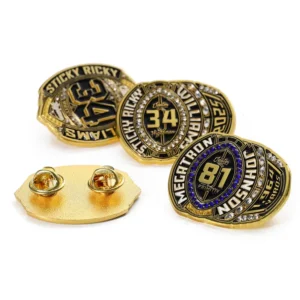
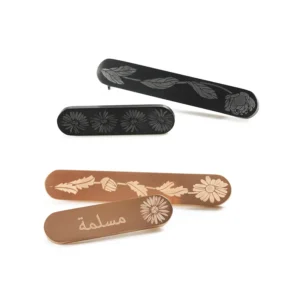
Personalized metal badges serve crucial roles in identification, achievement recognition, and personal expression. Name badges with individual details require careful typography selection to ensure clarity across varying name lengths and character sets. Achievement badges often incorporate progressive design elements that can accommodate different levels or timeframes of recognition.
The attachment method significantly influences both functionality and appearance. Pin backs work well for temporary wear on clothing, while magnetic attachments offer convenience without fabric damage. Screw posts provide secure mounting for permanent installations, and clutch backs offer reliable retention for regular use scenarios.
Metal Coat of Arms and Family Crests: Preserving Heritage
Metal coat of arms and family crests require specialized knowledge of heraldic traditions and symbols. Authentic reproduction demands research into historical accuracy, including proper color representations, symbol positioning, and traditional design elements. Professional manufacturers experienced in heraldic work can guide clients through the verification process and ensure adherence to established conventions.
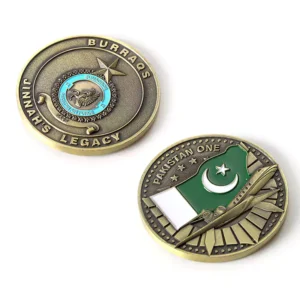
The three-dimensional nature of metal crests allows for impressive visual impact through raised elements and contrasting finishes. Traditional techniques like hand-engraving can add authentic character, while modern CNC machining enables precise reproduction of complex heraldic elements that would challenge conventional manufacturing methods.
Professional Metal Badge Making Techniques
Contemporary metal badge making combines traditional craftsmanship with advanced manufacturing technologies. Computer-aided design systems enable precise artwork preparation and tooling development, while automated production equipment ensures consistent quality across large orders. However, hand-finishing remains crucial for premium badges requiring individual attention to detail.
Quality control measures throughout the production process prevent common issues like incomplete enamel filling, misaligned elements, or surface imperfections. Professional manufacturers implement inspection protocols at multiple production stages, from initial die testing through final packaging.
Selecting the Right Metal Badge Maker
Choosing an appropriate metal badge maker requires evaluation of several critical factors beyond simple pricing considerations. Portfolio examination reveals manufacturing capabilities and quality standards, while client testimonials provide insight into service reliability and communication effectiveness. Technical capabilities such as minimum order quantities, available materials, and finishing options should align with project requirements.
Production timelines vary significantly between manufacturers and can impact project planning. Rush orders often incur additional costs but may be necessary for time-sensitive applications. Clear communication about expectations, specifications, and delivery requirements prevents misunderstandings and ensures satisfactory outcomes.
Metal Logo Badges for Brand Identity
Metal logo badges provide enduring brand representation that transcends temporary marketing materials. The permanence and perceived value of metal construction reinforces brand prestige while ensuring longevity that justifies the initial investment. Consistent brand color reproduction requires careful coordination between design specifications and available finishing options.
Custom metal logo badges often serve dual purposes as both identification and marketing tools. Employee badges featuring company logos reinforce brand identity in customer interactions, while promotional badges can generate long-term brand exposure at events and trade shows. The tactile quality of metal badges creates memorable brand experiences that printed materials cannot match.
Metal Insignia and Organizational Symbols
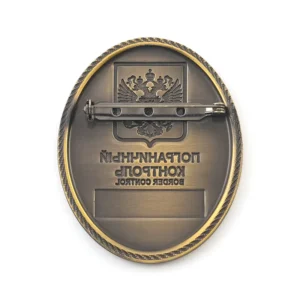
Organizational metal insignia carries special significance in military, law enforcement, and professional associations where rank, specialization, or membership status requires clear identification. Design traditions in these fields often specify exact dimensions, colors, and symbolic elements that must be faithfully reproduced.
Security features may be incorporated into sensitive applications, including unique serial numbering, tamper-evident elements, or specialized materials that resist counterfeiting. These requirements add complexity to the manufacturing process but provide essential authenticity verification.
A Personal Perspective on Metal Badge Quality
Having worked extensively with various badge manufacturers over the past several years, I’ve observed significant quality differences that aren’t always apparent in initial samples or promotional materials. The most reliable indicator of long-term satisfaction has been the manufacturer’s willingness to discuss potential design challenges upfront rather than simply accepting any artwork without question.
One particularly memorable project involved recreating historical military insignia for a museum exhibition. The chosen manufacturer invested considerable time researching period-appropriate techniques and materials, ultimately hand-antiquing each piece to achieve authentic aging effects. This attention to historical accuracy transformed what could have been generic reproductions into museum-quality artifacts that honored the original craftsmanship traditions.
Custom Made Metal Badges: Planning Your Project
Successful custom made metal badge projects begin with clear objective definition and realistic timeline establishment. Budget considerations should account for setup costs, minimum order quantities, and potential revision rounds during the approval process. Design complexity directly impacts manufacturing costs, with intricate details requiring specialized production techniques.
Sample approval represents a critical project milestone where design intent meets manufacturing reality. Careful examination of samples reveals actual color matching, detail resolution, and finish quality that cannot be fully evaluated through digital proofs alone. This stage offers the final opportunity for adjustments before full production commitment.
Maintenance and Longevity of Metal Badges
Proper care extends metal badge lifespan and maintains appearance quality throughout extended use. Different materials and finishes require specific maintenance approaches, with some benefiting from periodic polishing while others maintain their appearance with simple cleaning. Understanding these requirements helps users preserve their investment and maintain professional appearance standards.
Storage conditions significantly impact badge longevity, particularly for badges with enamel finishes that may crack under extreme temperature variations. Professional presentation cases not only protect badges during storage but also enhance their perceived value for award or recognition applications.
Future Trends in Metal Badge Manufacturing
Emerging technologies continue to expand possibilities for metal badge customization and production efficiency. Digital printing techniques now enable full-color reproduction directly onto metal surfaces, while laser texturing creates unique surface patterns that were previously impossible to achieve. Environmental considerations are driving development of more sustainable materials and finishing processes.
Customization capabilities continue advancing through improved design software and manufacturing flexibility. Small-batch production becomes increasingly viable as setup costs decrease, enabling personalized badges for individual recognition programs and specialized applications that were previously economically unfeasible.
Conclusion
Metal badges represent an intersection of artistry, functionality, and symbolism that continues evolving with technological advancement while honoring traditional craftsmanship values. Whether creating corporate identity pieces, personal recognition awards, or historical reproductions, success depends on understanding both design principles and manufacturing realities. Careful planning, appropriate manufacturer selection, and attention to quality details ensure results that meet both functional requirements and aesthetic expectations, creating lasting symbols that effectively represent their intended purpose for years to come.