




















Custom Crafts Blog
The Complete Guide to Custom Badges: Design, Create, and Personalize Your Perfect Badge
Table of Contents
Custom badges have become an essential tool for businesses, organizations, and individuals looking to create professional identification, promote brand awareness, or celebrate achievements. Whether you’re organizing a corporate event, running a small business, or managing a school program, personalized badges offer a cost-effective way to enhance professionalism and create lasting impressions.
Understanding Custom Badge Options
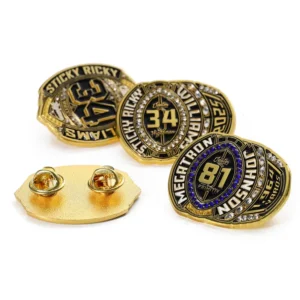
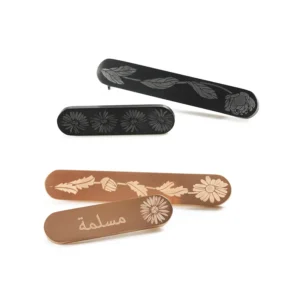
When exploring badge customization, you’ll discover numerous options to suit different needs and budgets. Custom made badges can range from simple name tags to elaborate designs featuring company logos, photos, and specialized finishes. The key to successful badge custom design lies in understanding your specific requirements and choosing the right materials and printing methods.
Modern badge customisation technology allows for incredible flexibility in design elements. You can incorporate full-color graphics, multiple text fields, barcodes, and even security features. This versatility makes customized badges online an attractive option for businesses of all sizes, from startups to large corporations.
Design Considerations for Professional Results
Creating effective custom badge designs requires careful attention to several factors. First, consider the badge’s primary purpose – will it be used for identification, access control, or promotional purposes? This determines the essential information to include and the overall layout approach.
Typography plays a crucial role in badge design. Choose fonts that are easily readable from a reasonable distance, typically 3-4 feet away. Avoid overly decorative fonts for names and titles, opting instead for clean, professional typefaces. Color selection should align with your brand guidelines while ensuring sufficient contrast for readability.
Size constraints mean every design element must serve a purpose. Prioritize the most important information, such as names and job titles, giving them prominence through size and positioning. Secondary information like contact details or company slogans should be smaller but still legible.
Materials and Durability Options
The choice of materials significantly impacts both the appearance and longevity of your customised badges. Plastic badges offer durability and water resistance, making them ideal for long-term use in various environments. Metal badges provide a premium appearance and exceptional durability, though at a higher cost point.
For temporary events or budget-conscious projects, paper-based options can provide customised badges cheap without compromising on visual appeal. These work well for conferences, trade shows, or one-time events where badges won’t face heavy wear.
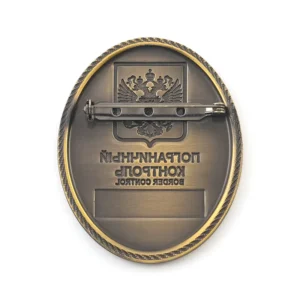
Consider the attachment method as well – lanyards, clips, magnetic attachments, and pin backs each offer different advantages depending on the intended use and user preferences.
Finding Quality Custom Badges for Sale
The market for custom badges for sale has expanded significantly, with numerous online and local providers offering various services. When evaluating suppliers, consider factors beyond price, including print quality, customer service, turnaround times, and minimum order quantities.
Many providers offer sample packs or proof services, allowing you to evaluate quality before placing larger orders. This is particularly valuable when working with a new supplier or trying a different badge style for the first time.
Personal Experience: Lessons Learned in Badge Creation
Having managed badge creation for multiple corporate events and daily workplace identification, I’ve learned that planning ahead makes a significant difference in both cost and quality outcomes. One particular project involved creating identification badges for a 500-person conference, where last-minute changes to attendee information created significant stress and additional costs.
The most successful badge project I managed involved a small manufacturing company transitioning from handwritten name tags to professional photo ID badges. By working closely with employees to gather requirements and testing different designs with a focus group, we created a system that not only improved security but also boosted employee morale. The investment in quality materials and professional design paid dividends in durability, with the badges lasting over three years without significant wear.
Cost-Effective Badge Customization Strategies
Achieving professional results while managing costs requires strategic planning. Ordering in appropriate quantities often provides significant per-unit savings, but avoid over-ordering for roles with high turnover. Consider standardizing certain elements like company logos or background designs while allowing customization for names and titles.
Digital badge customisation tools offered by many suppliers allow you to preview designs before ordering, reducing the likelihood of costly reprints. Take advantage of these tools to experiment with different layouts and color schemes.
For ongoing needs, establishing a relationship with a reliable supplier can lead to better pricing and priority service. Many companies offer volume discounts or loyalty programs for repeat customers.
Quality Assurance and Best Practices
Before finalizing any order, always request and carefully review a proof or sample. Check for spelling accuracy, proper alignment, color reproduction, and overall print quality. This extra step prevents costly mistakes and ensures satisfaction with the final product.
Maintain consistent brand standards across all badge designs. This includes using official logos, approved color schemes, and standardized fonts. Consistency reinforces brand identity and creates a more professional appearance.
Consider the user experience when designing badges. Ensure information is organized logically, with the most important details prominently displayed. Think about how badges will be worn and viewed in real-world situations.
Future Trends in Badge Customization
Technology continues to evolve the badge customization landscape. Smart badges incorporating RFID or NFC technology are becoming more affordable and accessible for smaller organizations. These advanced options enable features like automated check-ins, access control integration, and digital networking capabilities.
Environmental considerations are also driving innovation in badge materials and production methods. Recyclable materials and eco-friendly printing processes are becoming standard options for environmentally conscious organizations.
Making Your Badge Investment Count
Custom badges represent more than simple identification – they’re an extension of your brand and a reflection of your organization’s attention to detail. By investing time in thoughtful design and selecting appropriate materials, you create tools that serve multiple purposes: identification, branding, and professional presentation.
Whether you’re ordering your first set of personalized badges or upgrading an existing system, focus on understanding your specific needs, researching quality suppliers, and planning for both current requirements and future growth. The right approach to badge customisation will serve your organization well for years to come.
Remember that the best custom badge solution balances functionality, aesthetics, durability, and cost-effectiveness. Take time to evaluate your options, request samples when possible, and don’t hesitate to ask suppliers for guidance based on your specific use case. With proper planning and execution, your custom badge project will deliver both immediate benefits and long-term value.
PRODUCT CATEGORIES
Do you want to have unique metal crafts?
Let's connect ASAP.
We are a professional manufacturer of custom metal crafts, we can create exquisite metal artworks for you according to your needs and preferences.