






















Custom Crafts Blog
The Complete Guide to Award Badges: Recognition That Motivates and Inspires
Table of Contents
Award badges have become a cornerstone of recognition programs across industries, educational institutions, and digital platforms. These small but meaningful symbols carry tremendous weight in acknowledging achievements, fostering motivation, and building communities around shared accomplishments.
Understanding the Power of Award Badges
An award badge serves as a visual representation of achievement, skill mastery, or participation in specific activities. Unlike traditional certificates or trophies, badges offer immediate recognition that can be easily displayed and shared across various platforms. They create a sense of accomplishment while encouraging continued engagement and learning.
The psychology behind badge systems taps into fundamental human desires for recognition, progress tracking, and social validation. When individuals earn a badge, they experience a dopamine release that reinforces positive behavior and motivates them to pursue additional achievements.
Types of Awards and Badges
Recognition systems encompass various types of awards and badges, each serving distinct purposes:
Achievement Badges
These recognize specific accomplishments or milestones. Examples include completion badges for training programs, performance badges for exceeding targets, or skill badges for demonstrating competency in particular areas.
Participation Badges
Awarded for involvement in events, programs, or activities, these badges encourage engagement and reward commitment rather than just outcomes.
Leadership Badges
Reserved for individuals who demonstrate leadership qualities, mentor others, or take initiative in group settings.
Innovation Badges
Recognize creative thinking, problem-solving abilities, or contributions to new ideas and processes.
Implementing Effective Badge Programs
Creating a successful badge system requires careful planning and consideration of your audience’s motivations. The most effective programs balance accessibility with meaningful challenge, ensuring that badges retain their value while remaining attainable.
Clear criteria establishment is crucial. Recipients should understand exactly what they need to accomplish to earn each badge. Transparency builds trust and helps individuals set appropriate goals for themselves.
Tiered systems work particularly well, offering progressive levels of recognition. This approach maintains long-term engagement by providing continuous opportunities for advancement and achievement.
Digital vs. Physical Badge Systems
Modern badge programs often incorporate both digital and physical elements. Digital badges offer instant gratification, easy sharing capabilities, and detailed metadata about the achievement. They integrate seamlessly with social media platforms and professional networks, amplifying their recognition value.
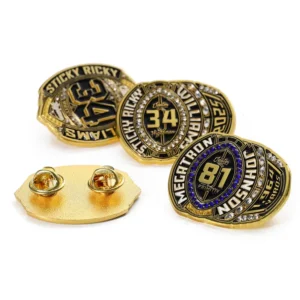
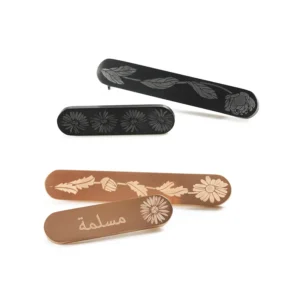
Physical badges, such as pins, patches, or plaques, provide tangible recognition that individuals can display in their workspace or wear as symbols of their accomplishments. The tactile nature of physical awards often creates stronger emotional connections.
Personal Experience with Badge Implementation
During my time developing a recognition program for a mid-sized company, I witnessed firsthand how thoughtfully designed badges transformed workplace culture. Initially, employees seemed skeptical about the “gamification” approach. However, within three months, we observed increased participation in training programs, improved collaboration between departments, and higher employee satisfaction scores.
The key breakthrough came when we involved employees in designing some of the badge criteria. This collaborative approach ensured the recognition felt authentic and meaningful rather than imposed from above. Employees began nominating colleagues for peer recognition badges, creating a positive feedback loop that strengthened team relationships.
Measuring Badge Program Success
Effective measurement goes beyond simply counting badges awarded. Successful programs track engagement metrics, behavioral changes, and long-term retention. Consider monitoring participation rates in badge-eligible activities, completion rates for training programs, and qualitative feedback from participants.
Regular program evaluation allows for continuous improvement. Gather feedback about which badges feel most meaningful, whether criteria are appropriately challenging, and how the recognition impacts motivation levels.
Best Practices for Badge Design
Visual design significantly impacts a badge’s perceived value. Professional, well-crafted badges command respect and pride, while poorly designed ones may seem trivial or cheap. Consider working with graphic designers to create distinctive, memorable badge imagery that aligns with your organization’s brand.
Naming conventions should be clear and inspiring. Avoid overly technical jargon in favor of names that immediately convey the achievement’s significance. “Innovation Champion” resonates more strongly than “Process Improvement Level 3.”
Overcoming Common Challenges
Badge inflation represents a common pitfall where too many badges are awarded too easily, diluting their meaning. Maintain program integrity by regularly reviewing and adjusting criteria to ensure badges remain meaningful achievements.
Some individuals may initially resist badge programs, viewing them as childish or manipulative. Address these concerns by emphasizing the professional development and recognition aspects rather than the game-like elements. Focus on how badges document skills and achievements that benefit career advancement.
Future Trends in Award Badge Systems
Technology continues to evolve badge systems, with blockchain verification ensuring authenticity and preventing fraud. Artificial intelligence helps personalize badge recommendations based on individual interests and career paths.
Integration with professional credentialing systems is becoming more common, allowing badges to contribute toward formal certifications or continuing education requirements. This development increases their practical value beyond simple recognition.
Creating Lasting Impact
The most successful award badge programs create lasting behavioral changes that extend beyond the immediate recognition. They build cultures of continuous learning, peer support, and excellence that persist even when specific badge campaigns end.
Awards and badges work best when they align with organizational values and individual growth objectives. Rather than standalone initiatives, they should integrate into broader professional development and recognition strategies.
By thoughtfully implementing badge systems that respect participants’ intelligence while tapping into fundamental motivational drivers, organizations can create powerful tools for recognition, engagement, and cultural transformation. The key lies in authentic implementation that values genuine achievement while making recognition accessible and meaningful to all participants.
PRODUCT CATEGORIES
Do you want to have unique metal crafts?
Let's connect ASAP.
We are a professional manufacturer of custom metal crafts, we can create exquisite metal artworks for you according to your needs and preferences.