



















Custom Crafts Blog
Home » Custom Crafts Blog » How to Wear a Pin: A Comprehensive Guide to Elevate Your Style
How to Wear a Pin: A Comprehensive Guide to Elevate Your Style
Table of Contents
In the world of fashion, it’s often the smallest details that make the biggest impact. A well-chosen pin, whether it’s a dainty enamel design, a sleek metal lapel pin, or a sentimental vintage brooch, has the power to transform an ordinary outfit into something memorable. But here’s the truth: even the most stunning pin can fall flat if worn incorrectly. Wearing a pin isn’t just about attaching it to your clothing—it’s about understanding its purpose, matching it to your outfit and occasion, and wearing it with confidence.
Whether you’re a fashion novice looking to dip your toes into accessory styling or a seasoned enthusiast hoping to refine your pin-wearing skills, this guide is for you. We’ll cover everything from the history of pins and the different types available to step-by-step placement instructions, occasion-specific tips, and common mistakes to avoid. By the end, you’ll not only know how to wear a pin—you’ll know how to wear it well, turning a simple accessory into a statement of your personal style.
Let’s dive in.
The History of Pins: From Function to Fashion
Before we talk about how to wear a pin, it’s worth exploring where pins came from. Pins have been a part of human culture for thousands of years, evolving from practical tools to beloved fashion accessories. Understanding their history helps us appreciate their versatility and the meaning they can carry.
The earliest known pins date back to ancient Egypt around 1800 BC, where craftspeople used inlay techniques to create decorative pins that served both functional and symbolic purposes. These pins were often made of precious metals and gemstones, worn by nobility to fasten clothing and signify status. By the 13th century BC, the ancient Greeks had adopted similar techniques, creating pins that featured intricate designs inspired by mythology. In 13th century China’s Yuan Dynasty, inlaying was also popular, with pins adorned with jade, ivory, and other valuable materials.
Fast forward to the Middle Ages, and pins became more accessible to the general population—though they were still primarily functional. They were used to hold together layers of clothing, such as tunics, cloaks, and hoods, and were often made of brass or iron for everyday use. It wasn’t until the Renaissance that pins began to take on a more decorative role, with wealthy individuals commissioning elaborate pins featuring enamel, pearls, and gemstones to showcase their wealth and taste.
In the United States, pins first gained prominence during the Civil War, when soldiers wore them as unit markers to identify their affiliations. During World War I, pins became a symbol of honor, awarded to individuals for bravery and exemplary service—a tradition that continues to this day. In the postwar era, pins evolved into a way to express personal beliefs and affiliations: during the 1960s civil rights movement, for example, pins were used to show support for social causes, while in the 1980s, collecting pins became a popular fad.
Today, pins have come full circle. They’re still used for functional purposes (like fastening scarves or securing lapels), but they’re also a powerful form of self-expression. From cute enamel pins that showcase your hobbies to elegant brooches that add sophistication to a formal outfit, pins allow you to tell your story without saying a word. And with the rise of celebrity influence—stars like Timothée Chalamet, Robert Pattinson, and Robert Downey Jr. have been spotted wearing pins on the red carpet—pins have become a mainstream fashion accessory, loved by people of all ages and styles.
Types of Pins: Choosing the Right One for You
Before you can master how to wear a pin, you need to understand the different types available. Not all pins are created equal—each style has its own purpose, design, and best use case. Here’s a breakdown of the most common types of pins, so you can choose the perfect one for your outfit and occasion.
1. Lapel Pins
Lapel pins are the most popular type of pin, and for good reason. Designed specifically to be worn on the lapel of a jacket, blazer, or coat, they’re versatile, stylish, and suitable for a wide range of occasions. Lapel pins come in two main styles: stick pins and butterfly clutch pins.
Stick pins feature a long, thin metal rod with a decorative head and a small clasp at the end. They’re simple, classic, and ideal for formal occasions—think weddings, business meetings, or black-tie events. Butterfly clutch pins, on the other hand, have a shorter post and a spring-loaded clutch that secures the pin to your clothing. They’re more secure than stick pins and come in a variety of designs, from simple metal logos to colorful enamel patterns.
Lapel pins also vary in size: small lapel pins (0.5–1 inch in diameter) are subtle and perfect for professional settings, while larger lapel pins (1–1.5 inches) make a bolder statement and are great for casual or semi-formal occasions. Brands like Montblanc have even created luxury lapel pins, such as their Great Characters Homage to The Great Gatsby design, which draws inspiration from the iconic novel and adds a touch of elegance to any outfit.
2. Enamel Pins
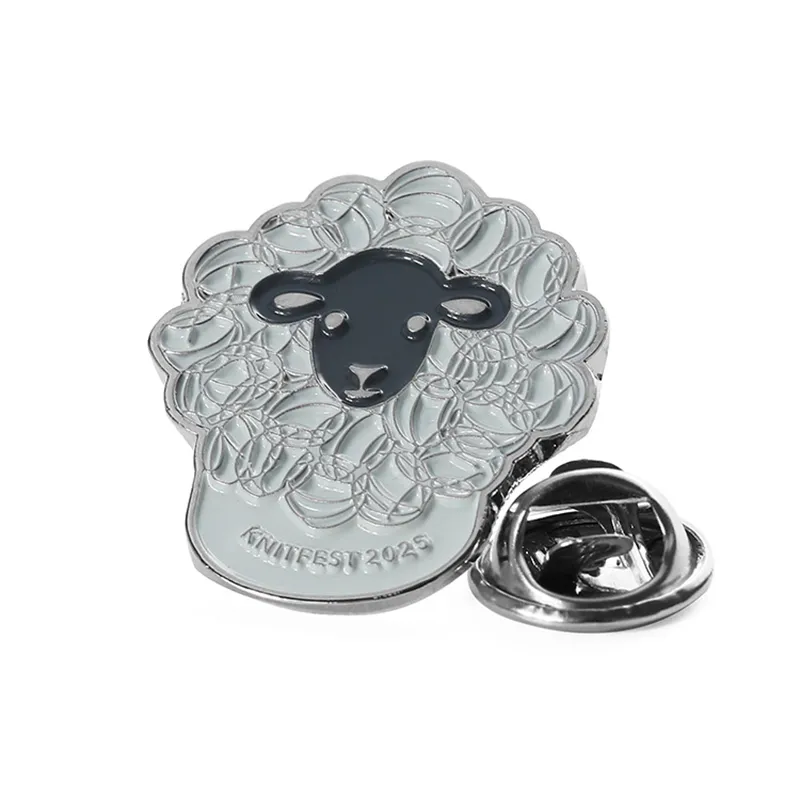
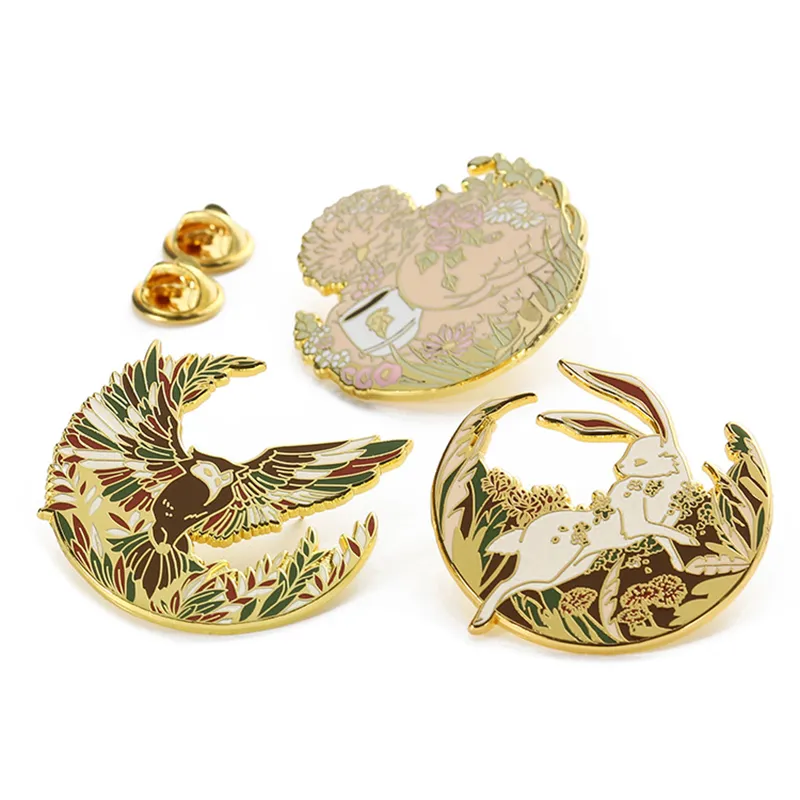
Enamel pins (also called badges in British English) have exploded in popularity in recent years, thanks to their fun, playful designs and affordability. These pins are made by layering powdered glass (enamel) onto a metal base, which is then fired to create a smooth, glossy finish. Enamel pins come in two main types: soft enamel and hard enamel.
Soft enamel pins have a textured surface, with raised metal borders and recessed enamel fills. They’re lightweight, affordable, and perfect for casual wear—think denim jackets, backpacks, or hats. Hard enamel pins, on the other hand, have a smooth, flat surface, with the enamel filled to the level of the metal borders. They’re more durable and have a high-end look, making them suitable for both casual and semi-formal occasions.
Enamel pins are incredibly versatile in terms of design: you can find them in the shape of animals, fruits, quotes, hobbies, or even pop culture references. For example, a sewing machine enamel pin is perfect for someone who loves crafting, while a running-themed pin can help you connect with fellow fitness enthusiasts. They’re a great way to add personality to your outfit and showcase your interests.
3. Brooches
Brooches are larger, more ornate pins that are typically worn on dresses, blouses, scarves, or coats. Unlike lapel pins, which are small and subtle, brooches are designed to be a focal point—they often feature gemstones, pearls, intricate metalwork, or vintage designs. Brooches come in a variety of shapes and sizes, from small, dainty designs to large, statement-making pieces.
Vintage brooches are particularly popular, as they add a touch of nostalgia and charm to any outfit. For example, a vintage Laurel and Hardy character pin set pays homage to the iconic comedy duo and makes a fun conversation starter. Brooches are perfect for formal occasions, such as weddings, galas, or cocktail parties, but they can also be dressed down for casual wear—try wearing a small brooch on a denim jacket or a scarf for a touch of elegance.
4. Service and Commemorative Pins
Service pins (also called military or award pins) are worn to honor service, achievements, or affiliations. These pins carry deep meaning and should be worn with respect. For example, U.S. Customs and Border Protection officers are authorized to wear one award lapel pin on their left lapel, 1/4 inch above their name strip or authorized uniform device. Military pins often represent ranks, units, or veterans’ organizations, while commemorative pins mark special events like anniversaries, conferences, or milestones.
Cause-related pins are another type of service pin, designed to raise awareness for specific charities or movements. These pins often feature symbolic colors or shapes—for example, a pink ribbon pin for breast cancer awareness or a green pin for environmental causes. Wearing a cause-related pin is a simple way to show your support and start meaningful conversations.
5. Other Types of Pins
There are also several other types of pins to explore, including:
- Die-struck pins: Crafted by stamping a design into metal, these pins have a raised and recessed effect with no color fill, giving them a sleek, sophisticated look.
- Offset printed pins: These pins have a smooth, flat surface with designs printed directly onto the metal, allowing for intricate details and full-color designs.
- Photo etched pins: Made using a chemical etching process, these pins have a flat surface with precise detailing, perfect for complex designs.
- Silk screen printed pins: Utilizing a silk-screening process, these pins feature vibrant colors and smooth finishes, ideal for detailed artwork.
Understanding the different types of pins will help you choose the right one for your outfit and occasion, ensuring that your pin complements your style rather than clashing with it.
The Basics of Wearing a Pin: Placement, Orientation, and Security
Now that you know the different types of pins, it’s time to learn the basics of wearing them. The key to wearing a pin well lies in three things: placement, orientation, and security. Get these right, and you’ll be able to wear any pin with confidence.
1. Placement: Where to Wear Your Pin
The placement of your pin depends on two factors: the type of pin and the outfit you’re wearing. Here’s a breakdown of the most common placement options:
Lapel Pins: The Left Lapel Rule
For lapel pins, the golden rule is: wear them on the left lapel. This tradition dates back to ancient times, when soldiers wore pins on their left side to keep them close to their hearts—symbolizing loyalty, honor, and sincerity. Today, this rule still applies, especially for formal occasions, service pins, or commemorative pins.
The exact placement on the left lapel depends on the jacket’s design. If your jacket has a buttonhole on the left lapel (even if it’s decorative and sewn shut), this is the perfect spot for your pin. Feed the pin through the buttonhole from back to front, so the decorative head is visible on the front of the lapel. If your jacket doesn’t have a buttonhole, measure about 1.25 inches down from the lapel notch and place the pin halfway between the outer edge and the inner fold. Align the pin so it follows the curve of the lapel naturally—this keeps the pin balanced and visually appealing.
There are a few exceptions to the left lapel rule. Some organizations or uniforms allow pins on both sides, or require specific placement for ceremonial reasons. In rare cases, you can wear a fashion-forward lapel pin on the right lapel for artistic balance— but this is only acceptable if the pin has no commemorative or service-related meaning.
Enamel Pins: Casual Placement Options
Enamel pins are more flexible when it comes to placement, as they’re designed for casual wear. Here are some popular options:
- Denim jackets: The collar, lapel, front pockets, or sleeves of a denim jacket are perfect for enamel pins. You can wear a single pin for a subtle look or cluster multiple pins for a bold, personalized statement. Denim is durable, so it can handle multiple pins without damage.
- Backpacks and purses: Attach enamel pins to the strap, front pocket, or zipper pull of your backpack or purse for a fun, playful touch. This is a great way to personalize your accessories and show off your style on the go.
- Hats and beanies: Pin a small enamel pin to the brim of a baseball cap or the side of a beanie for a casual, trendy look. Just make sure the pin is secure so it doesn’t fall off.
- Blouses and dresses: For a feminine touch, wear a small enamel pin on the collar of a blouse or the neckline of a dress. You can also place a pin on the waistline of a dress to draw attention to your waist.
Brooches: Focal Point Placement
Brooches are designed to be a focal point, so their placement should highlight their beauty. Here are some tips:
- Dresses and blouses: Wear a brooch on the shoulder, chest, or waistline of a dress or blouse. For a V-neck dress, place the brooch at the base of the V to draw attention to the neckline. For a button-down blouse, pin it to the collar or the placket.
- Scarves: Use a brooch to fasten a scarf around your neck or shoulders. This not only keeps the scarf in place but also adds a touch of elegance to your outfit.
- Coats and cardigans: Pin a brooch to the lapel, collar, or front of a coat or cardigan. A large brooch on the lapel of a wool coat adds warmth and sophistication, while a small brooch on a cardigan adds a subtle touch of style.
Service and Commemorative Pins: Respectful Placement
Service and commemorative pins should be worn with respect, so their placement is important. For military or award pins, follow the guidelines provided by your organization. For example, U.S. Customs and Border Protection officers wear their award lapel pin on the left lapel, 1/4 inch above their name strip. For cause-related pins, wear them on the left lapel (to keep them close to your heart) or on a visible spot where others can see them—this helps raise awareness for the cause.
2. Orientation: Which Way Should the Pin Face?
The orientation of your pin depends on the design and the placement. For most lapel pins, the pin should face forward, with the decorative head pointing upward. This ensures that the design is visible and easy to admire. For example, a lapel pin with a logo or text should be oriented so that the logo or text is right-side up.
For brooches, the orientation can vary. If the brooch has a vertical design (like a long, thin pin), wear it vertically to complement the lines of your outfit. If it has a horizontal design, wear it horizontally. For asymmetrical brooches, experiment with orientation to see what looks best—sometimes a slight angle can add visual interest.
When wearing multiple pins, make sure their orientations are consistent. For example, if you’re clustering enamel pins on a denim jacket, align them so they all face the same direction (either forward or slightly upward) to create a cohesive look.
3. Security: How to Keep Your Pin in Place
There’s nothing worse than losing a favorite pin because it wasn’t secured properly. Here are some tips to keep your pin in place:
- Use the right backing: Most pins come with a butterfly clutch, rubber clutch, or safety pin backing. Butterfly clutches are the most secure for lapel pins and brooches, as they have a spring-loaded design that holds the pin tightly in place. Rubber clutches are good for casual pins (like enamel pins) but may not be as secure for heavier pins. Safety pin backings are ideal for pins that need to be removed frequently.
- Add a locking backing: For valuable or sentimental pins, consider adding a locking backing (like a deluxe locking clutch or a screw-on backing). These backings are more secure than standard butterfly clutches and will prevent your pin from falling off.
- Protect delicate fabrics: If you’re wearing a pin on a delicate fabric (like silk, lace, or cashmere), place a small square of thin cardboard or felt on the inside of the garment, behind the pin. This distributes the weight of the pin and prevents it from tearing the fabric.
- Check the pin regularly: Before heading out, make sure the backing is secure. If the backing is loose or damaged, replace it immediately. You can buy replacement backings at craft stores or online.
Occasion-Specific Pin Styling: From Casual to Formal
The key to wearing a pin well is matching it to the occasion. A pin that’s perfect for a casual day out may be too informal for a black-tie event, and vice versa. Here’s a guide to styling pins for different occasions.
1. Casual Occasions (Brunches, Shopping, Coffee Dates)
Casual occasions are the perfect time to experiment with pins and show off your personality. The goal here is to keep things fun and relaxed—no strict rules, just creativity.
Outfit Ideas: Denim jackets, t-shirts, hoodies, jeans, casual dresses, backpacks, and hats.
Pin Choices: Enamel pins, small lapel pins, vintage brooches (small to medium size), and fun, themed pins (hobbies, pop culture, animals).
Styling Tips:
- Cluster multiple enamel pins on a denim jacket for a bold, personalized look. Mix and match different sizes and designs—just make sure they share a common theme or color palette to keep the look cohesive. For example, cluster pins related to music, books, or animals.
- Wear a single small enamel pin on the collar of a t-shirt or hoodie for a subtle touch of style. This adds personality without overwhelming the outfit.
- Attach a few pins to your backpack or purse for a fun, on-the-go look. This is a great way to personalize your accessories and make them stand out.
- Try wearing a vintage brooch on a casual dress or skirt for a mix of casual and elegant. For example, a small floral brooch on a sundress adds a touch of charm.
Example Outfit: Light blue denim jacket, white t-shirt, high-waisted jeans, white sneakers, and a cluster of 3–4 enamel pins (a coffee cup, a book, and a cat) on the jacket lapel. Add a small enamel pin to the strap of your backpack for extra flair.
2. Semi-Formal Occasions (Office Parties, Cocktail Parties, Weddings)
Semi-formal occasions require a balance of elegance and personality. Your pin should complement your outfit without being too flashy or casual.
Outfit Ideas: Blazers, dress shirts, midi dresses, jumpsuits, skirts, and dress pants.
Pin Choices: Medium-sized lapel pins (1–1.25 inches), hard enamel pins, small to medium brooches (with subtle gemstones or metalwork), and service pins (if applicable).
Styling Tips:
- For men: Wear a single lapel pin on the left lapel of your blazer. Choose a pin that complements your tie or pocket square—for example, a silver lapel pin with a black blazer and silver tie. Avoid wearing multiple pins, as this can look cluttered.
- For women: Wear a small to medium brooch on the shoulder of a midi dress or jumpsuit, or on the lapel of a blazer. Choose a brooch with subtle gemstones (like pearls or small diamonds) for a touch of elegance. You can also wear a hard enamel pin with a simple design (like a flower or geometric shape) on the collar of a dress shirt.
- Match the color of your pin to your outfit. For example, if you’re wearing a navy blazer, choose a gold or silver lapel pin. If you’re wearing a blush dress, choose a pink or pearl brooch.
- Avoid wearing casual enamel pins (like cartoon or hobby-themed pins) to semi-formal occasions—they can look out of place. Stick to more sophisticated designs.
Example Outfit: Navy blazer, white dress shirt, black dress pants, black loafers, and a gold lapel pin with a small pearl on the left lapel. For women: Blush midi dress, nude heels, and a small pearl brooch on the shoulder.
3. Formal Occasions (Black-Tie Events, Galas, Weddings)
Formal occasions require elegance and sophistication. Your pin should be subtle, refined, and complementary to your formal attire.
Outfit Ideas: Tuxedos, formal gowns, evening dresses, and tailored suits.
Pin Choices: Small lapel pins (0.5–1 inch), stick pins, brooches with gemstones (pearls, diamonds, sapphires), and service pins (if applicable).
Styling Tips:
- For men: Wear a small stick pin or lapel pin on the left lapel of your tuxedo. Choose a pin made of gold, silver, or platinum, with a simple design (like a small flower or geometric shape). Avoid large or colorful pins—they can distract from the formal attire.
- For women: Wear a small brooch with gemstones (like pearls or diamonds) on the neckline, shoulder, or waistline of your evening gown. A single, elegant brooch is enough—avoid wearing multiple pins, as this can look overdone.
- Match the metal of your pin to your other jewelry. For example, if you’re wearing gold earrings and a gold bracelet, choose a gold pin. If you’re wearing silver jewelry, choose a silver pin.
- For weddings: If you’re a guest, avoid wearing a pin that’s too flashy or distracting—you don’t want to upstage the bride or groom. A small, simple lapel pin or brooch is perfect. If you’re the groom or groomsman, you may wear a lapel pin that matches the wedding theme (like a flower pin that matches the boutonniere).
Example Outfit: Black tuxedo, white dress shirt, black bow tie, black dress shoes, and a silver stick pin with a small diamond on the left lapel. For women: Black evening gown, diamond earrings, and a small pearl brooch on the shoulder.
4. Professional Occasions (Business Meetings, Interviews, Conferences)
Professional occasions require a polished, professional look. Your pin should be subtle, professional, and appropriate for the workplace.
Outfit Ideas: Suits, blazers, dress shirts, pencil skirts, and dress pants.
Pin Choices: Small lapel pins (0.5–1 inch), company logo pins, service pins, and simple metal pins (gold, silver, or platinum).
Styling Tips:
- Wear a single small lapel pin on the left lapel of your blazer or suit. Choose a pin that’s professional and understated—avoid colorful or playful designs. Company logo pins are a great choice, as they show pride in your organization.
- For interviews: Keep your pin simple and subtle. A small silver or gold lapel pin is perfect—avoid wearing anything too flashy or distracting. You want the interviewer to focus on you, not your pin.
- For conferences: You can wear a conference pin or a company logo pin to show your affiliation. If you’re giving a presentation, a small, subtle pin is best—you don’t want it to distract from your message.
- Avoid wearing multiple pins to professional occasions—one pin is enough. Also, avoid wearing pins with offensive or controversial designs.
Example Outfit: Gray suit, light blue dress shirt, black tie, black dress shoes, and a small company logo lapel pin on the left lapel. For women: Navy blazer, white dress shirt, black pencil skirt, black heels, and a small silver lapel pin.
Advanced Pin Styling: Mixing, Matching, and Making a Statement
Once you’ve mastered the basics, you can start experimenting with advanced pin styling techniques. Mixing and matching pins, layering them with other accessories, and using them to make a statement are all great ways to elevate your style.
1. Mixing and Matching Pins
Mixing and matching pins is a fun way to create a personalized look. Here are some tips to do it well:
- Stick to a theme: When mixing multiple pins, choose a common theme (like music, travel, or nature) to keep the look cohesive. For example, mix a guitar pin, a vinyl record pin, and a concert ticket pin for a music-themed cluster.
- Balance sizes: Mix small, medium, and large pins to create visual interest. Place larger pins in the center of the cluster and smaller pins around them to create balance.
- Coordinate colors: Choose pins that share a common color palette. For example, mix pins in shades of blue, white, and gray for a cohesive look. Avoid mixing too many bright colors, as this can look cluttered.
- Don’t overdo it: While mixing pins is fun, it’s important not to overdo it. Stick to 3–5 pins per cluster—any more than that can look messy.
2. Layering Pins with Other Accessories
Pins can be layered with other accessories to create a unique, layered look. Here are some ideas:
- Scarves and pins: Use a brooch to fasten a scarf around your neck or shoulders. This not only keeps the scarf in place but also adds a touch of elegance. For example, a silk scarf paired with a pearl brooch is perfect for a semi-formal occasion.
- Necklaces and pins: Attach a small pin to a chain necklace to create a unique pendant. This is a great way to repurpose a favorite pin and add a personal touch to your necklace collection.
- Hats and pins: Layer a pin with a hat for a trendy look. For example, a baseball cap with a small enamel pin on the brim, or a fedora with a brooch on the band.
- Bracelets and pins: Use a small pin as a charm on a bracelet. This adds a personal touch to your bracelet and allows you to showcase your favorite pin.
3. Using Pins to Make a Statement
Pins are a powerful way to make a statement and express your personality, beliefs, or values. Here are some ways to do it:
- Cause-related pins: Wear a pin that supports a cause you care about, like breast cancer awareness, environmental protection, or social justice. This not only shows your support but also starts conversations and raises awareness.
- Vintage pins: Wear a vintage pin to make a statement about your style and appreciation for history. A vintage brooch from the 1950s or 1960s adds a touch of nostalgia and uniqueness to your outfit.
- Custom pins: Create a custom pin with a design that’s meaningful to you—like your initials, a favorite quote, or a symbol that represents your hobby or passion. This is a great way to make a one-of-a-kind statement.
- Bold pins: Wear a large, bold pin as a focal point of your outfit. For example, a large floral brooch on a plain dress or a bold enamel pin on a denim jacket. This is a great way to stand out and show off your confidence.
Common Pin-Wearing Mistakes to Avoid
Even the most stylish people make mistakes when wearing pins. Here are some common mistakes to avoid, so you can wear your pins with confidence:
1. Wearing Too Many Pins
One of the biggest mistakes people make is wearing too many pins at once. Overloading your outfit with pins can make it look cluttered and unpolished. As a general rule, stick to 1–2 pins for formal or professional occasions, and 3–5 pins for casual occasions (if clustering). Remember: less is more.
2. Wearing Pins in the Wrong Place
Wearing a pin in the wrong place can make your outfit look unbalanced or inappropriate. For lapel pins, always wear them on the left lapel (unless there’s a specific reason to wear them on the right). For brooches, avoid wearing them in places that are too low or too far to the side—they should be a focal point, not an afterthought.
3. Choosing the Wrong Pin for the Occasion
Wearing a casual enamel pin to a formal event or a formal brooch to a casual outing can look out of place. Always match your pin to the occasion—choose subtle, elegant pins for formal events and fun, playful pins for casual occasions.
4. Wearing Pins on Unsuitable Fabrics
Some fabrics are not suitable for pins—very thick or delicate fabrics may not hold the pin well or could be damaged. Avoid wearing pins on fabrics like silk, lace, or cashmere without adding a backing (like cardboard or felt) to protect the fabric. Denim, cotton, and wool are the best fabrics for pins, as they’re durable and can handle the weight of the pin.
5. Mismatched Themes or Colors
Wearing pins that clash with your outfit or with each other can make your look disjointed. For example, a silly cartoon pin doesn’t belong on a wedding tuxedo, and a bright red pin may clash with a neon green outfit. Choose pins that complement your outfit’s color palette and theme.
6. Not Securing the Pin Properly
Forgetting to secure your pin properly can lead to loss or damage. Always check the backing before heading out, and replace any loose or damaged backings. For valuable or sentimental pins, use a locking backing to ensure they stay in place.
Caring for Your Pins: How to Keep Them Looking Like New
Pins are delicate accessories, and proper care is essential to keep them looking like new. Here are some tips for caring for your pins:
1. Store Them Properly
When you’re not wearing your pins, store them in a dry, cool place to prevent tarnishing and damage. Here are some storage options:
- Pin storage box: A dedicated pin storage box with compartments is perfect for storing multiple pins. Look for a box lined with felt or velvet to protect the pins from scratches.
- Pin board: A pin board is a great way to display your pins while keeping them organized. You can hang it on the wall in your closet or bedroom for easy access.
- Small jewelry box: If you have a few valuable pins, store them in a small jewelry box with a soft lining. This will protect them from dust and damage.
2. Clean Them Regularly
Over time, pins can accumulate dust, dirt, and tarnish. Clean them regularly to keep them looking shiny and new. Here’s how:
- Metal pins: Use a soft cloth (like a microfiber cloth) to wipe away dust and dirt. For tarnished metal pins, use a small amount of silver polish or brass polish (depending on the metal) and a soft cloth to buff the pin until it’s shiny. Avoid using harsh chemicals, as they can damage the pin.
- Enamel pins: Wipe enamel pins with a soft, damp cloth to remove dust and dirt. Avoid using polish or harsh chemicals, as they can damage the enamel. If the pin is very dirty, you can use a small amount of mild soap and water to clean it, then dry it thoroughly with a soft cloth.
- Brooches with gemstones: Use a soft cloth to wipe away dust and dirt. For gemstones, use a small amount of jewelry cleaner (specifically designed for gemstones) and a soft brush to clean the crevices. Rinse with water and dry thoroughly.
3. Handle Them with Care
Avoid dropping or mishandling your pins, as this can damage the design, bend the post, or break the backing. When putting on or taking off a pin, hold it by the head (not the post) to avoid bending the post.
4. Avoid Exposing Them to Harsh Conditions
Avoid wearing your pins in harsh conditions, such as rain, snow, or high humidity. Water and moisture can cause metal pins to tarnish and enamel pins to fade or chip. Also, avoid exposing your pins to direct sunlight for long periods, as this can cause the enamel to fade.
Final Thoughts: Wearing Pins with Confidence
Wearing a pin is more than just attaching an accessory to your clothing—it’s a way to express your personality, tell your story, and elevate your style. Whether you’re wearing a simple lapel pin to a business meeting, a cluster of enamel pins to a casual outing, or an elegant brooch to a formal event, the key is to wear it with confidence.
Remember: there are no strict rules when it comes to wearing pins—only guidelines. The most important thing is to choose pins that you love and that make you feel good. Experiment with different placements, mix and match styles, and don’t be afraid to make a statement.
With the tips in this guide, you’ll be able to master the art of wearing a pin and turn a simple accessory into a signature part of your style. So go ahead—pull out your favorite pin, attach it to your outfit, and wear it with pride.
What’s your favorite type of pin to wear? Do you have any go-to pin-styling tips? Share them in the comments below—I’d love to hear from you!
PRODUCT CATEGORIES
Do you want to have unique metal crafts?
Let's connect ASAP.
We are a professional manufacturer of custom metal crafts, we can create exquisite metal artworks for you according to your needs and preferences.