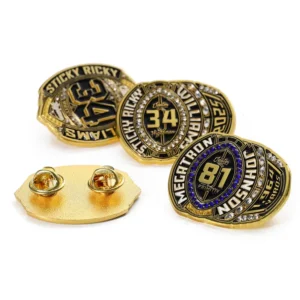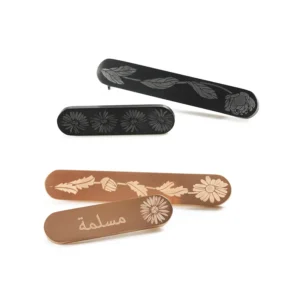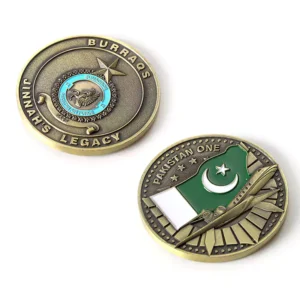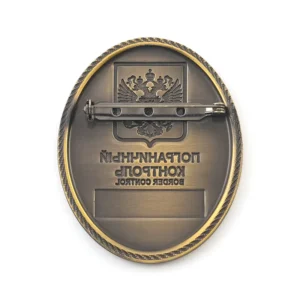



















Creating custom pin badges has become increasingly popular among artists, businesses, and hobbyists looking to express their creativity or promote their brand. Whether you’re designing promotional items for your company or crafting unique accessories for personal use, making your own pin badges allows for complete creative control and cost-effective production.
Understanding Pin Badge Basics
Before diving into the creation process, it’s essential to understand what makes a quality pin badge. A well-made badge pin consists of three main components: the metal base, the design layer, and the backing mechanism. The most common types include enamel pins (hard and soft enamel), printed pins, and die-struck pins, each offering different aesthetic qualities and durability levels.
The choice of materials significantly impacts both the appearance and longevity of your finished product. Metal options range from iron and brass to more premium materials like copper or silver-plated bases. The backing can be a simple butterfly clutch, rubber clutch, or magnetic backing, depending on your intended use.
Essential Tools and Materials
To create your own pin badge successfully, you’ll need specific tools and materials. For digital design, software like Adobe Illustrator, Photoshop, or free alternatives such as GIMP and Canva work well. Your design should be created in vector format when possible, ensuring clean lines and scalability.
Physical materials include metal blanks (available in various shapes and sizes), enamel paints or printing materials, a pin back mechanism, and finishing supplies. If you’re planning to produce badges regularly, investing in a small press or specialized pin-making equipment can improve consistency and efficiency.
Pin Badge Design Fundamentals
Effective pin badge design requires balancing creativity with practical constraints. Since most pins are relatively small (typically 0.75 to 2 inches), your design must remain clear and recognizable at this scale. Simple, bold imagery works better than intricate details that may become muddy when reduced.
Color selection plays a crucial role in the final appearance. Consider how different colors will interact, especially if you’re planning to use enamel fills. High contrast between elements ensures your design remains visible and impactful. Typography should be minimal and highly legible, as small text often becomes unreadable on finished pins.
When developing your concept, think about the pin’s intended purpose. Corporate pins might require logos and brand colors, while artistic pins allow for more experimental approaches. Seasonal designs, commemorative pieces, and collectible series each have different design considerations that should influence your creative decisions.
Step-by-Step Creation Process
Design Phase
Begin by sketching your ideas on paper before moving to digital tools. This helps you work through composition and proportion issues early in the process. Once you have a solid concept, create your digital artwork at actual size (or slightly larger) to ensure all elements will be visible on the finished pin.
Export your design in multiple formats – vector files for manufacturing and high-resolution raster images for approval and reference. Include color specifications and any special instructions about finishes or textures you want to achieve.
Production Methods
For small quantities or prototypes, consider DIY methods using printable vinyl, resin, or paint on metal blanks. These approaches allow for experimentation and quick iterations but may not achieve the professional finish of manufactured pins.
Professional manufacturing involves sending your design to a specialized pin maker who will create dies, apply enamel or printing, and attach backing hardware. This method produces higher quality results and becomes cost-effective for larger quantities, typically starting around 50-100 pieces.
Personal Experience and Lessons Learned
During my first pin-making project for a local art exhibition, I learned several valuable lessons that could benefit other beginners. My initial design included fine text that completely disappeared once the pin was produced at actual size. This taught me the importance of creating mockups and testing readability at the intended scale.
Another crucial discovery was the significance of color testing. The vibrant purple I had chosen for my design appeared much darker on the metal base than on screen. Working with physical color samples before finalizing production helped me adjust my palette to achieve the desired visual impact. I also found that simple backing mechanisms like butterfly clutches work better for everyday wear than more complex alternatives that can be difficult to operate.
Quality Control and Finishing Touches
Regardless of your production method, quality control ensures your finished pins meet expectations. Check for color accuracy, proper adhesion of design elements, and secure attachment of backing hardware. Any imperfections should be addressed before considering the project complete.
Consider protective measures for your finished pins. Clear protective coatings can prevent scratching and fading, while proper packaging protects pins during storage and distribution. Custom backing cards not only look professional but also provide space for branding or care instructions.
Cost Considerations and Planning
Budget planning for pin badge creation involves several factors. DIY methods have lower upfront costs but require more time investment and may produce less consistent results. Professional manufacturing has higher minimum orders but offers better per-unit pricing and superior quality.
Factor in design time, material costs, shipping, and any additional services like custom packaging. For business use, consider the long-term value of professional-quality pins versus the immediate savings of DIY approaches. Sometimes investing in professional production creates better brand impression and customer satisfaction.
Common Mistakes and How to Avoid Them
New pin makers often encounter similar challenges that can be easily avoided with proper planning. Overcomplicating designs is perhaps the most frequent issue – remember that simplicity often creates more impact at small sizes. Always create physical mockups or use online visualization tools to check how your design will appear on an actual pin.
Another common oversight involves not considering the manufacturing process during design. Certain color combinations, thin lines, or complex gradients may not translate well to enamel or printing processes. Communicating with your manufacturer early in the design phase can help identify potential production issues before they become costly problems.
Advanced Techniques and Special Effects
Once you’ve mastered basic pin creation, explore advanced techniques to make your designs stand out. Glitter enamel adds sparkle and texture, while glow-in-the-dark elements create interactive experiences. Screen printing allows for photographic detail, and die-striking creates raised relief effects without color fills.
Custom shapes move beyond standard circles and rectangles, though they typically cost more due to custom die requirements. Multiple attachment points can create articulated or layered pins that add movement and dimension to your design.
Marketing and Distribution
Creating beautiful pins is only half the challenge – successfully sharing them with your target audience requires strategic thinking about distribution channels. Online marketplaces, craft fairs, and social media platforms each offer different advantages for reaching potential customers or recipients.
Document your creation process through photos and videos, as many people enjoy seeing behind-the-scenes content. This documentation can become valuable marketing material and helps establish your expertise in custom pin creation.
Maintenance and Care
Proper care extends the life and appearance of custom pin badges. Store pins on backing cards or in protective cases to prevent scratching. Clean gently with soft cloths and avoid harsh chemicals that might damage enamel or printed surfaces.
For valuable or sentimental pins, consider creating duplicates during the initial production run. This ensures you have replacements if originals are lost or damaged, and often costs little extra when added to the main order.
Creating your own pin badges offers unlimited creative possibilities while developing practical skills in design and production. Whether you’re producing one-off artistic pieces or commercial promotional items, the satisfaction of wearing or sharing something you’ve created from concept to completion makes the entire process worthwhile. Start with simple designs, learn from each project, and gradually explore more advanced techniques as your skills and confidence grow.