














Custom Crafts Blog
How to Design Your Own Custom Medals: A Complete Guide
Table of Contents
Creating a personalized medal has never been more accessible. Whether you’re organizing a charity run, hosting a corporate event, or planning a school competition, designing your own awards adds a meaningful touch that participants will treasure for years to come.
Why Choose Custom-Designed Medals?
Off-the-shelf medals serve their purpose, but there’s something special about awards that reflect your event’s unique identity. When you design your own medals, you’re not just handing out participation tokens—you’re creating lasting memories that capture the spirit of your occasion.
Custom medals work beautifully for sporting events, academic achievements, employee recognition programs, and milestone celebrations. The ability to incorporate specific colors, logos, and messages transforms a simple piece of metal into something truly memorable.
Understanding Your Design Options
Modern medal creation offers remarkable flexibility. You can choose from various shapes beyond the traditional circle—stars, shields, custom silhouettes, or even shapes that match your event theme. Materials range from classic brass and zinc alloy to more premium options like copper or silver plating.
The finishing touches matter too. Medals can feature antique finishes for a vintage look, polished surfaces for elegance, or colorful enamel fills that make designs pop. Many designs incorporate 3D relief elements that add depth and visual interest.
Getting Started with Online Design Tools
Digital platforms have revolutionized the medal creation process. Most online services provide intuitive interfaces where you can upload logos, add text, and experiment with different layouts. The real-time preview feature lets you see exactly how your design will look before committing to production.
Start by gathering your assets: high-resolution logos, event information, and any specific graphics you want to include. Most platforms accept common file formats like PNG, JPEG, and vector files. The clearer your source images, the better your final product will look.
My Experience Creating Medals for a Community Event
Last spring, I coordinated a neighborhood fitness challenge and decided to create custom medals for the finishers. I’d never designed awards before, so I approached it with some uncertainty. Using an online design tool, I started with a basic circular template and incorporated our community logo alongside motivational text.
The process was surprisingly straightforward. I experimented with different ribbon colors before settling on navy blue with gold accents that matched our community colors. The hardest part was choosing between a glossy or matte finish—I ultimately went with glossy because it made the colors more vibrant.
When the medals arrived, the quality exceeded my expectations. Participants loved the personal touch, and several told me they displayed them prominently at home. That experience taught me that you don’t need professional design skills to create something meaningful—just a clear vision and willingness to experiment.
Key Design Elements to Consider
Text and Typography: Keep wording concise and legible. Remember that medals are relatively small, so intricate fonts may not translate well. Stick to clear, bold typefaces for important information like event names and dates.
Logo Placement: Your organizational logo or event emblem should be prominent but not overwhelming. Consider size proportions carefully—a logo that looks perfect on screen might dominate the entire medal surface in reality.
Color Schemes: Most custom medals use enamel coloring for vibrant, durable finishes. Choose colors that align with your brand or event theme. High contrast combinations ensure text remains readable.
Ribbon Selection: Don’t overlook the ribbon. It’s not just functional—it’s part of the overall aesthetic. Standard options include basic solid colors, but many suppliers offer patterned, striped, or custom-printed ribbons.
Technical Specifications to Know
Understanding basic specifications helps ensure your design translates properly to physical form. Standard medal sizes range from 50mm to 70mm in diameter, though custom sizes are available. Thickness typically ranges from 3mm to 6mm depending on your budget and desired weight.
Resolution matters for digital files. Aim for at least 300 DPI to ensure crisp details. Vector files work best for logos since they scale without losing quality. If you’re working with photographs or complex imagery, consult with your manufacturer about optimal file preparation.
Choosing a Manufacturer
Not all medal producers offer the same quality or service. Look for companies that provide design assistance, especially if this is your first time. Sample products, if available, give you a tangible sense of quality before placing a large order.
Turnaround time varies significantly. Rush orders might be available but often come with premium pricing. For best results and value, plan ahead and allow 3-4 weeks from design approval to delivery. This timeframe accounts for production, quality checks, and shipping.
Minimum order quantities differ by supplier. Some accept orders as small as 25 pieces, while others require 100 or more. Consider your actual needs and budget when selecting a provider.
Budgeting for Custom Medals
Pricing depends on several factors: size, materials, complexity of design, enamel colors, and order quantity. Generally, larger quantities reduce the per-unit cost significantly. A basic 2-inch medal might cost anywhere from two to ten dollars per piece depending on these variables.
Additional features like sequential numbering, individual pouches, or premium gift boxes add to the total cost but can enhance the perceived value. Decide which extras matter most for your specific application.
Finalizing Your Design
Before approving production, request a digital proof or mockup. Review every detail: spelling, dates, logo orientation, and color accuracy. Once manufacturing begins, changes become difficult or impossible, so this approval stage deserves careful attention.
Share the proof with colleagues or stakeholders if applicable. Fresh eyes often catch errors or suggest improvements you might have missed. This collaborative review process can save you from costly mistakes.
Beyond Traditional Medals
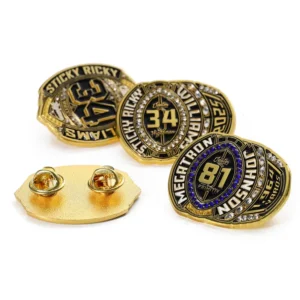
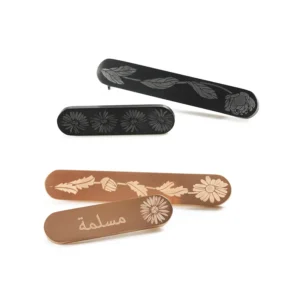
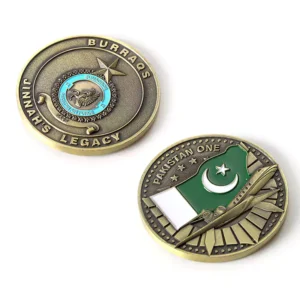
Modern customization extends beyond standard hanging medals. Consider alternative formats like challenge coins for corporate recognition, medal pins for smaller-scale awards, or medallions with stands for permanent display pieces.
Some organizations create tiered medal designs for first, second, and third place, or design different medals for various event categories. This approach adds structure to your awards program while maintaining visual consistency.
Making Your Medals Meaningful
The best custom medals tell a story. They commemorate not just completion or victory, but the effort, dedication, and community involved in your event. Thoughtful design choices—incorporating event dates, location references, or motivational phrases—transform simple awards into cherished keepsakes.
Consider how recipients will display or store their medals. Attractive packaging adds to the unboxing experience and helps protect medals during transport. Some organizers include cards explaining the design symbolism, which adds another layer of meaning.
Creating custom medals online has democratized what was once a specialized process. With accessible tools, reasonable pricing, and countless design possibilities, anyone can produce professional-quality awards that honor achievement and create lasting memories. Whether you’re recognizing athletic accomplishments, academic excellence, or professional milestones, a well-designed custom medal speaks volumes about the value you place on those achievements.
PRODUCT CATEGORIES
Do you want to have unique metal crafts?
Let's connect ASAP.
We are a professional manufacturer of custom metal crafts, we can create exquisite metal artworks for you according to your needs and preferences.