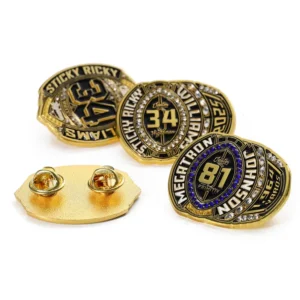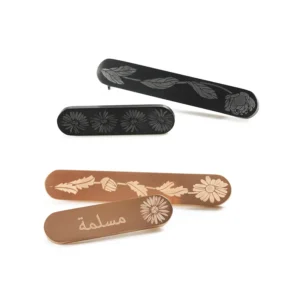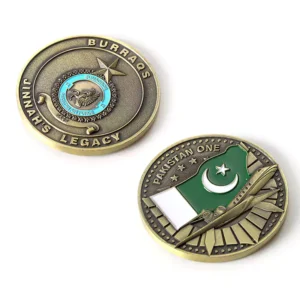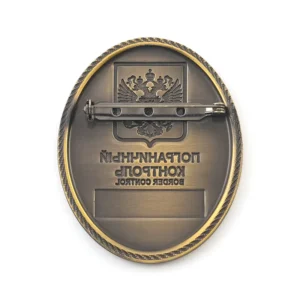





















Custom pins have become more than just accessories—they’re powerful tools for personal expression, brand promotion, and community building. Whether you’re launching a business, supporting a cause, or commemorating a special event, learning how to design your own pin opens up endless creative possibilities.
Why Metal Pins Custom Made Are Worth the Investment
When you decide to make a custom pin, choosing metal construction offers unmatched durability and professional appearance. Unlike fabric or plastic alternatives, metal pins custom crafted maintain their shape, color, and finish even with regular wear. The weight and feel of quality metal immediately signals premium craftsmanship to anyone who receives your pin.
Metal pins also offer versatility in manufacturing techniques. From soft enamel fills that create textured surfaces to hard enamel finishes that provide smooth, jewelry-like quality, metal serves as the perfect canvas for your creative vision. The material naturally resists fading, scratching, and environmental damage that can plague other pin materials.
Step-by-Step Guide to Create a Custom Pin
1. Define Your Purpose and Audience
Before diving into design software, clarify why you’re making this pin. Are you promoting a business, celebrating an achievement, or creating merchandise for fans? Your purpose will guide every design decision, from color choices to size specifications.
2. Choose Your Pin Style
Several manufacturing styles affect both appearance and cost when you create a custom pin:
Soft Enamel: Paint sits below the metal lines, creating texture and depth
Hard Enamel: Smooth surface with paint level to metal edges
Die Struck: No color fill, relying on raised and recessed metal details
Photo Etched: Fine details achieved through chemical etching process
3. Design Considerations
Effective pin designs balance visual impact with manufacturing constraints. Keep text readable at small sizes, ensure adequate contrast between elements, and remember that fine details may not translate well to the final product. Simple, bold designs typically perform better than complex illustrations crowded with tiny elements.
4. Size and Shape Selection
Standard pin sizes range from 0.75 inches to 2 inches in diameter. Smaller pins cost less but limit detail, while larger pins provide more design space at higher per-unit costs. Consider where recipients will wear the pin—lapel pins should remain modest in size, while display pins can be more substantial.
Custom Pin Printing vs. Traditional Manufacturing
The term “custom pin printing” often confuses newcomers to pin creation. Unlike paper printing, pin manufacturing involves metal stamping, plating, and enamel application rather than ink-based processes. However, some manufacturers do offer printed pin options using digital processes on metal blanks.
Traditional manufacturing methods typically produce higher quality results with better durability. The raised metal edges, smooth enamel fills, and multiple plating options available through conventional processes create pins that feel substantial and professional. Printed options may cost less for very small quantities but often lack the premium feel that makes custom pins memorable.
A Personal Journey: My First Custom Pin Project
Three years ago, I decided to create pins for my local hiking club’s annual fundraiser. Initially, I underestimated the complexity involved in translating our mountain logo into a manufacturable design. The intricate tree details I loved in our original artwork became muddy blobs in the first prototype.
Working with our manufacturer, I learned to simplify without losing the design’s essence. We eliminated fine branches, increased contrast between the mountain and sky, and chose colors that would pop against typical outdoor gear. The final design used only four colors but captured our club’s spirit perfectly.
The pins exceeded our sales expectations, and members still wear them on hiking trips years later. That project taught me that successful pin designs prioritize clarity and emotional connection over intricate details. Sometimes the most impactful designs are also the simplest.
Working with Manufacturers
Finding the right manufacturing partner significantly impacts your project’s success. Research potential suppliers thoroughly, examining their portfolio, minimum order quantities, and production timelines. Request samples of their work in your chosen style before committing to large orders.
Communication proves crucial during the manufacturing process. Provide clear artwork files in vector format when possible, specify exact colors using Pantone numbers, and request digital proofs before production begins. Most reputable manufacturers offer revision rounds to ensure your vision translates accurately to the final product.
Cost Considerations and Budgeting
Custom pin costs vary significantly based on size, complexity, quantity, and manufacturing method. Expect setup fees for new designs, with per-unit costs decreasing as order quantities increase. Factor in shipping costs, especially for international manufacturing, and allow extra time for potential delays.
Budget for potential revisions or additional orders if your initial batch proves popular. Many successful pin projects start small to test market response before investing in larger quantities.
Quality Control and Final Inspection
When your pins arrive, inspect them carefully before distribution or sale. Check for consistent enamel fill, proper color matching, secure backing attachments, and overall finish quality. Reputable manufacturers stand behind their work and will address legitimate quality concerns.
Document any issues with photos and communicate promptly with your manufacturer. Most problems can be resolved through replacement orders or partial refunds, maintaining positive relationships for future projects.
Making Your Custom Pins Successful
Creating memorable custom pins requires balancing artistic vision with practical manufacturing constraints. Focus on clear, bold designs that communicate your message effectively at small sizes. Invest in quality materials and manufacturing processes that ensure your pins will last and continue representing your brand or cause effectively.
Remember that the best custom pins tell stories and create connections between people. Whether commemorating achievements, building brand awareness, or fostering community, your pins should serve a purpose beyond mere decoration. When recipients feel proud to wear and display your pins, you’ve succeeded in creating something truly valuable.