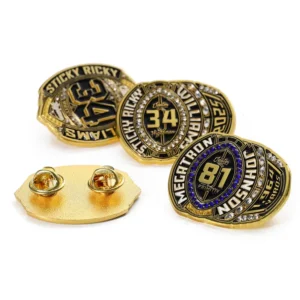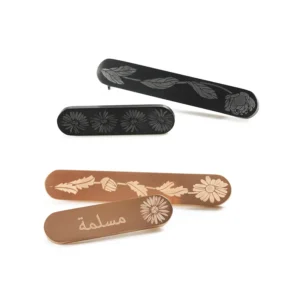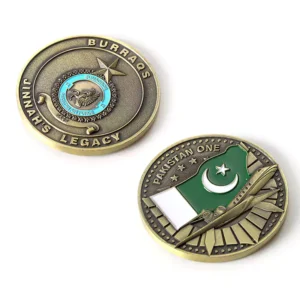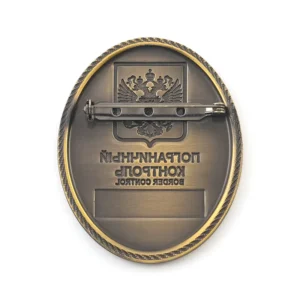




















Creating custom pins has evolved from a niche hobby into a booming industry that spans fashion, marketing, and personal expression. Whether you’re looking to start a business, promote your brand, or simply create something meaningful for friends, understanding the fundamentals of pin design can open up a world of creative possibilities.
Understanding Pin Design Fundamentals
Pin design requires balancing creativity with practical manufacturing constraints. The most successful pins combine visual appeal with technical feasibility, considering factors like size limitations, color restrictions, and production methods.
When developing your design concept, think about your target audience and intended use. Corporate pins need professional aesthetics, while collectible pins can embrace bold, artistic elements. The key is creating designs that translate well from digital concepts to physical products.
Essential Tools for Digital Pin Creation
Modern pin creation begins with digital design tools. Adobe Illustrator remains the industry standard for vector-based pin designs, offering precise control over shapes and colors. For beginners, free alternatives like Canva or GIMP provide accessible entry points into digital design.
Vector graphics work best for pins because they maintain crisp edges at any size. Avoid complex gradients or fine details that won’t reproduce well in metal. Instead, focus on bold shapes, clear typography, and high contrast elements that will stand out on a small canvas.
Online Pin Design Platforms: A Comparative Look
Several online platforms now offer streamlined pin design services. These tools typically provide templates, design assistance, and direct manufacturing connections, making the process more accessible for newcomers.
Popular platforms include PinSource, 4inlanyards, and CustomPins.com, each offering different strengths in design tools, pricing, and turnaround times. Some focus on quick, template-based designs, while others provide more customization options for unique concepts.
When choosing a platform, consider your design complexity, budget, and timeline. Simple text-based pins can work well with template systems, but intricate artwork may require more specialized services.
From Concept to Manufacturing: The Complete Process
The journey from initial idea to finished pin involves several critical steps. First, develop your concept through sketches or digital mockups. Consider how your design will look at actual pin size – typically between 0.75 and 1.5 inches.
Next, prepare your artwork for manufacturing. This involves creating clean vector files, specifying exact colors using Pantone codes, and determining production methods. Hard enamel pins offer durability and premium feel, while soft enamel provides cost-effective options for larger quantities.
My Personal Journey: Learning Through Trial and Error
When I started designing pins three years ago, my first attempt was a disaster. I created an overly complex design with tiny text that became illegible once manufactured. The colors I chose looked great on screen but translated poorly to metal and enamel.
That failure taught me valuable lessons about simplicity and manufacturing limitations. My second attempt focused on bold, simple shapes with high contrast. The result was a pin that not only looked professional but also became the foundation for a small side business that now generates consistent monthly income.
The key breakthrough came when I started thinking like a manufacturer, not just a designer. Understanding the physical constraints of pin production – metal stamping limitations, enamel flow properties, and color registration challenges – dramatically improved my success rate.
Advanced Design Techniques for Professional Results
Professional pin designers employ several advanced techniques to create standout products. Layering different metals creates depth and visual interest. Combining matte and polished finishes adds texture variation. Strategic use of negative space can make designs appear larger and more impactful.
Color theory plays a crucial role in effective pin design. High contrast combinations ensure readability, while complementary colors create visual harmony. Limiting your palette to three or four colors often produces more cohesive results than complex rainbow schemes.
Building Your Pin Design Business
Transforming pin design from hobby to business requires strategic thinking beyond creative skills. Market research helps identify profitable niches – gaming communities, band merchandise, corporate gifts, and social causes all represent viable markets with different requirements and price points.
Quality control becomes paramount when dealing with customers. Establish relationships with reliable manufacturers who provide consistent results and reasonable minimum order quantities. Many successful pin businesses start with orders of 50-100 pieces to test market response before scaling up.
Common Mistakes and How to Avoid Them
New pin designers often make predictable errors that can be easily avoided. Using too many colors increases costs without necessarily improving appeal. Ignoring minimum line weights results in details that disappear during production. Failing to consider backing options can leave customers with pins that don’t stay securely attached.
Another frequent mistake is underestimating production timelines. Quality pin manufacturing typically requires 2-3 weeks, plus shipping time. Build these delays into your planning, especially for event-specific or seasonal designs.
The Future of Pin Design and Creation
Technology continues expanding possibilities in pin design and manufacturing. 3D printing enables prototype testing before committing to metal tooling. Augmented reality tools help visualize how designs will look when worn. Direct-to-consumer platforms are reducing barriers to entry for independent designers.
Sustainability concerns are also shaping the industry, with eco-friendly materials and packaging becoming more important to consumers. Designers who consider environmental impact alongside aesthetic appeal will likely find competitive advantages in tomorrow’s marketplace.
Getting Started Today
The best time to start designing pins is now. Begin with simple concepts and gradually increase complexity as you gain experience. Focus on solving specific problems or serving particular communities rather than trying to appeal to everyone.
Whether you’re creating pins for personal satisfaction, business promotion, or entrepreneurial ventures, success comes from combining creative vision with practical understanding of the medium. Start small, learn from each project, and gradually build your skills and knowledge base.
Remember that every successful pin designer started with their first design. The key is taking that initial step and committing to the learning process that follows.