














Metal keychains have evolved from simple functional items into powerful tools for personal expression, brand promotion, and meaningful gift-giving. Whether you’re looking to create promotional merchandise for your business, commemorate a special event, or design a unique gift, custom metal keychains offer durability, sophistication, and endless design possibilities.
Why Choose Metal for Custom Keychains
Metal keychains stand apart from their plastic or fabric counterparts in several important ways. The weight and feel of metal conveys quality and permanence. Unlike printed materials that fade or plastic that cracks, metal keychains maintain their appearance for years, even decades. This longevity makes them ideal for items meant to commemorate important milestones or serve as lasting reminders of your brand.
The tactile experience matters too. When someone reaches into their pocket or bag, the solid feel of metal creates a sense of value. I learned this firsthand when I designed keychains for my sister’s wedding. We chose brushed stainless steel with engraved initials and the wedding date. Five years later, guests still mention how they use them daily, and the engraving looks as crisp as the day we distributed them.
Popular Metal Types for Custom Keychains
Stainless Steel
Stainless steel represents the most popular choice for custom metal keychains. It resists rust and corrosion, maintains its appearance without special care, and provides excellent value. The material accepts various finishes including polished, brushed, or matte, allowing you to match different aesthetic preferences.
Brass
Brass offers a warm, golden appearance that develops a distinguished patina over time. Many luxury brands favor brass for its classic look and substantial weight. It works particularly well for vintage-inspired designs or when you want to convey a sense of heritage and craftsmanship.
Aluminum
Lightweight yet durable, aluminum suits designs where you want metal’s benefits without added weight. It anodizes beautifully, accepting vibrant colors while maintaining the material’s inherent strength. This makes aluminum excellent for colorful, modern designs.
Zinc Alloy
Zinc alloy provides exceptional detail reproduction at reasonable costs. Manufacturers can cast intricate designs, logos, and three-dimensional shapes that would be impossible or prohibitively expensive in other metals. Many promotional keychains use zinc alloy for this reason.
Customization Techniques
Engraving
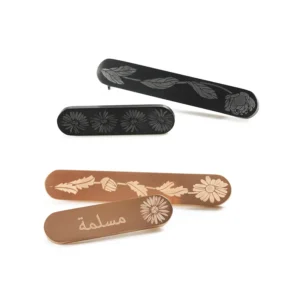
Laser engraving creates permanent, precise markings on metal surfaces. The process removes material or changes its color through oxidation, resulting in designs that won’t wear off. Engraving works best for text, simple logos, and line art. The contrast between engraved areas and the surrounding metal creates elegant, professional results.
Stamping and Embossing
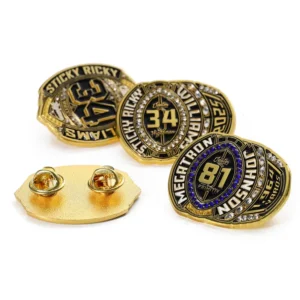
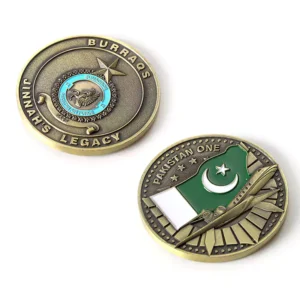
These techniques create raised or recessed designs by pressing metal into dies. Stamping produces sharp, clean impressions ideal for coins, badges, and medallion-style keychains. The three-dimensional quality adds visual interest and creates a premium feel.
Color Filling and Enameling
Adding color to metal keychains dramatically increases their visual impact. Soft enamel fills recessed areas with colored resin, creating a slightly textured surface. Hard enamel undergoes additional polishing for a smooth, glass-like finish. Both methods produce vibrant, durable colors that resist fading.
Printing
Modern printing techniques like UV printing allow full-color images on metal surfaces. This opens possibilities for photographic images, complex graphics, and designs requiring color gradients. While not as permanent as engraving, quality printing on metal lasts considerably longer than on most other materials.
Design Considerations
Creating effective custom metal keychains requires balancing aesthetics with practicality. Size matters significantly—too large becomes cumbersome, too small gets lost easily. Most successful designs fall between 1.5 to 3 inches in their longest dimension.
Consider the keychain’s attachment method. Split rings remain the standard choice, but lobster clasps offer easier key attachment and removal. Some designs incorporate both for maximum versatility.
Weight presents another important factor. While metal’s heft conveys quality, excessively heavy keychains damage pockets and become annoying to carry. Test prototypes if possible before committing to large production runs.
Applications and Uses
Business Promotion
Companies use custom metal keychains as affordable yet impressive promotional items. They serve as constant brand reminders, traveling with recipients wherever they go. The perceived value of metal makes recipients more likely to keep and use promotional keychains compared to cheaper alternatives.
Event Memorabilia
Weddings, graduations, anniversaries, and corporate milestones become more memorable with custom metal keychains. They provide functional souvenirs that guests actually use rather than discarding. Including dates, names, or special messages personalizes each piece.
Organizational Identity
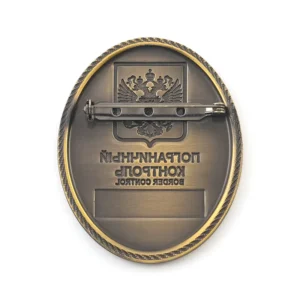
Clubs, teams, military units, and organizations use custom metal keychains to build unity and pride among members. The tangible item creates a sense of belonging and serves as a physical connection to the group.
Retail Products
Artists, designers, and small businesses sell custom metal keychains as standalone products. The relatively low production costs combined with perceived value create attractive profit margins. Tourist destinations, museums, and gift shops stock locally-themed metal keychains as popular merchandise.
Ordering Process and Production
Most manufacturers require minimum order quantities ranging from 50 to 500 pieces, though some specialty producers accommodate smaller runs at higher per-unit costs. Production typically takes 2-4 weeks after design approval, with additional time needed for shipping.
Request physical samples before committing to large orders. Photographs rarely capture the true appearance, weight, and feel of metal keychains. Most reputable manufacturers provide samples for reasonable fees, often credited toward final orders.
Provide artwork in vector format when possible. High-resolution vector files ensure crisp reproduction regardless of size. If you lack design experience, many manufacturers offer design services, though quality varies significantly.
Cost Factors
Several elements influence pricing for custom metal keychains. Metal type forms the foundation—stainless steel generally costs less than brass, while aluminum falls somewhere between. Complexity matters too; simple engraved designs cost less than multi-colored enamel pieces.
Order quantity dramatically affects per-unit pricing. Ordering 100 pieces might cost $3-5 each, while 1000 pieces could drop to $1-2 each. Setup fees remain constant regardless of quantity, making larger orders more economical.
Additional features like special packaging, multiple attachments, or unique shapes increase costs but may provide value through enhanced presentation or functionality.
Quality Indicators
Examine potential manufacturers carefully before ordering. Request references and examples of previous work. Check reviews from multiple sources, paying particular attention to comments about product quality, communication, and adherence to timelines.
Quality metal keychains exhibit consistent finish, clean edges without rough spots, and secure attachment points. Printing or enamel should appear smooth and even without bleeding or gaps. Engraving depth should remain consistent throughout the design.
Consider environmental and ethical factors. Some manufacturers offer recycled metals or use environmentally responsible production methods. Fair labor certifications ensure workers receive appropriate treatment and compensation.
Care and Maintenance
Metal keychains require minimal maintenance but benefit from occasional care. Wipe stainless steel or aluminum with a soft cloth to remove fingerprints and dirt; for more detailed cleaning tips for metal keychains, see our guide. Brass develops patina naturally; some prefer this aged look, while others polish it away with brass cleaner.
Avoid exposing metal keychains to harsh chemicals or prolonged moisture. While most metals resist corrosion, extreme conditions accelerate wear. Store spare keychains in dry locations away from damaging substances.
Making Your Decision
Choosing to create custom metal keychains represents an investment in quality and longevity. Whether for business promotion, personal gifts, or organizational identity, metal provides durability and perceived value unmatched by other materials.
Start by clearly defining your purpose and audience. Consider how recipients will use the keychains and what message you want to convey. Research manufacturers thoroughly, request samples, and don’t rush the design process. The result—a custom metal keychain that recipients treasure and use for years—justifies the careful planning and consideration you invest upfront.